 Ultimate guide
Benefits of Social Emotional Learning in Schools with Heroic Nepal
Table of Contents
- What Is Social Emotional Learning and Why It Matters for Schools
- How Social Emotional Learning Improves Academic Achievement
- Social Emotional Learning Activities for Students That Build Real Skills
- Social Emotional Learning Strategies for Teachers to Support Student Growth
- Social Emotional Learning Programs for Schools: Implementation and Outcomes
- The Long-Term Impact: Why SEL Creates Lasting Change
- Addressing Common Concerns About SEL in Schools
- Frequently Asked Questions
Last Updated: October 7, 2026
What Is Social Emotional Learning and Why It Matters for Schools
Social emotional learning (SEL) is the process through which children develop the ability to recognize and manage emotions, establish positive relationships, make responsible decisions, and navigate social situations effectively, and understanding the benefits of social emotional learning in schools shows why this matters for every student. It's not a separate subject, it's woven into how students interact with peers, respond to challenges, and build resilience in the classroom and beyond.
Why does this matter? Schools that prioritize SEL create environments where students feel safe, valued, and capable. When kids develop self-awareness and emotional regulation early, they're better equipped to handle stress, build meaningful friendships, and engage meaningfully with learning itself. This is exactly what the Heroic Learning platform delivers: game-based activities that help kids and their families develop these critical life skills together.
The Five Core Competencies of SEL
The foundation of SEL rests on five interconnected competencies. Self-awareness is the ability to recognize your own emotions, strengths, and areas for growth. When students understand what they're feeling and why, they make better choices. Self-management involves regulating emotions and behavior, staying calm under pressure, following through on commitments, and managing impulses. Social awareness (or empathy) is the capacity to understand others' perspectives and experiences, which builds the foundation for genuine connection.
Relationship skills enable students to communicate effectively, collaborate, and navigate conflict constructively. Finally, responsible decision-making means weighing consequences, considering others' needs, and making choices aligned with personal values. These five competencies aren't theoretical, they're practical capacities that students use every single day. Through the Heroic Learning platform's game-based approach, families practice these competencies together, creating shared understanding and real behavioral change.
How Heroic Nepal Brings SEL to Life
The Heroic Learning platform transforms SEL from an abstract concept into tangible family experiences. Rather than treating emotional development as something that happens at school, the platform connects kids, parents, grandparents, and local mentors in a coordinated learning triad. Games and interactive challenges teach self-regulation, empathy, and decision-making in ways that feel natural and engaging, not like homework.
The tokenization model means families aren't just learning; they're building ownership in their own growth and in their community's development. This shifts SEL from a school program into a family movement, which is where real, lasting change happens.
How Social Emotional Learning Improves Academic Achievement
Students with strong emotional regulation and social skills outperform their peers academically. When a student can manage frustration during a difficult math problem, collaborate effectively in group projects, or bounce back from a setback, they stay engaged with learning. Social awareness and empathy also matter, students who understand others' perspectives are better equipped to work in teams and contribute meaningfully to classroom discussions.
The relationship between SEL and academic performance isn't accidental. When students feel emotionally safe and supported by peers and teachers, they take intellectual risks. They ask questions, offer ideas, and persist through challenging material. Schools that embed SEL see improvements in classroom engagement, attendance, and overall academic motivation. The Heroic Learning platform reinforces these connections by helping families recognize how emotional skills directly support their children's success in school and beyond.
Social Emotional Learning Activities for Students That Build Real Skills
Effective SEL activities move beyond worksheets and discussions, they create moments where students actually practice emotional regulation, perspective-taking, and collaboration. Think of activities as opportunities to build these muscles in real time.
Emotion check-ins at the start of class help students develop self-awareness. A simple prompt, "How are you feeling today and why?", teaches kids to name emotions and reflect on their internal state.
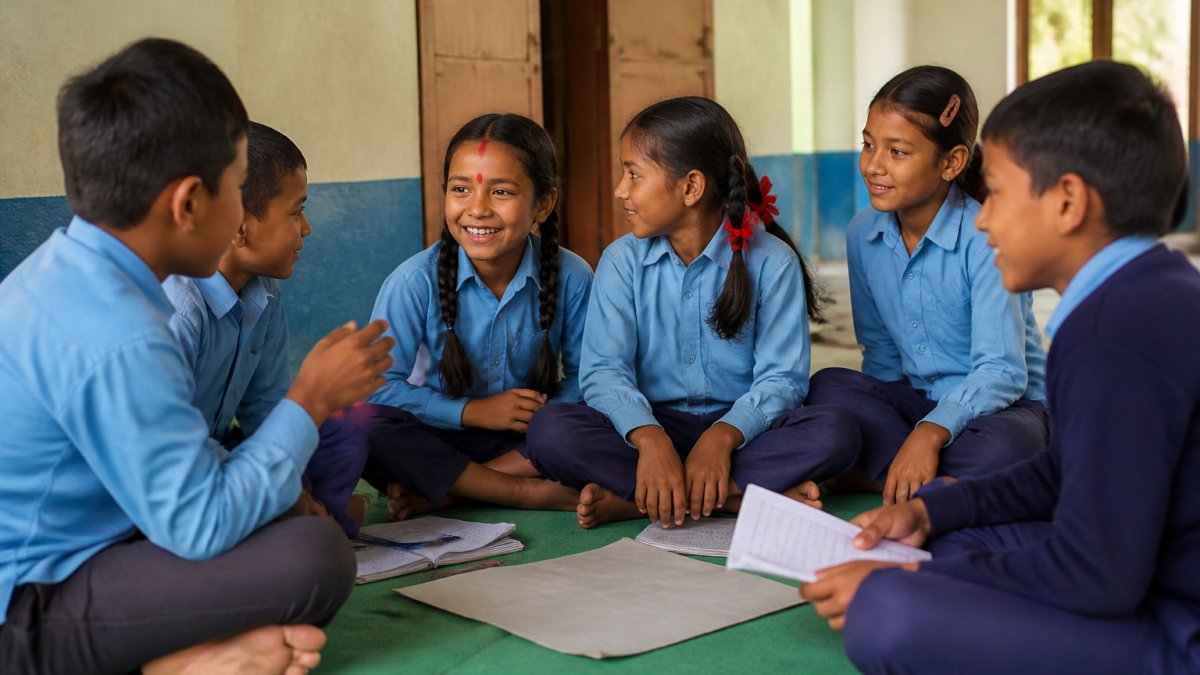
Role-playing scenarios allow students to practice handling difficult social situations, peer pressure, disagreement with a friend, or standing up for someone being excluded. Mindfulness activities like guided breathing or body scans teach self-management.
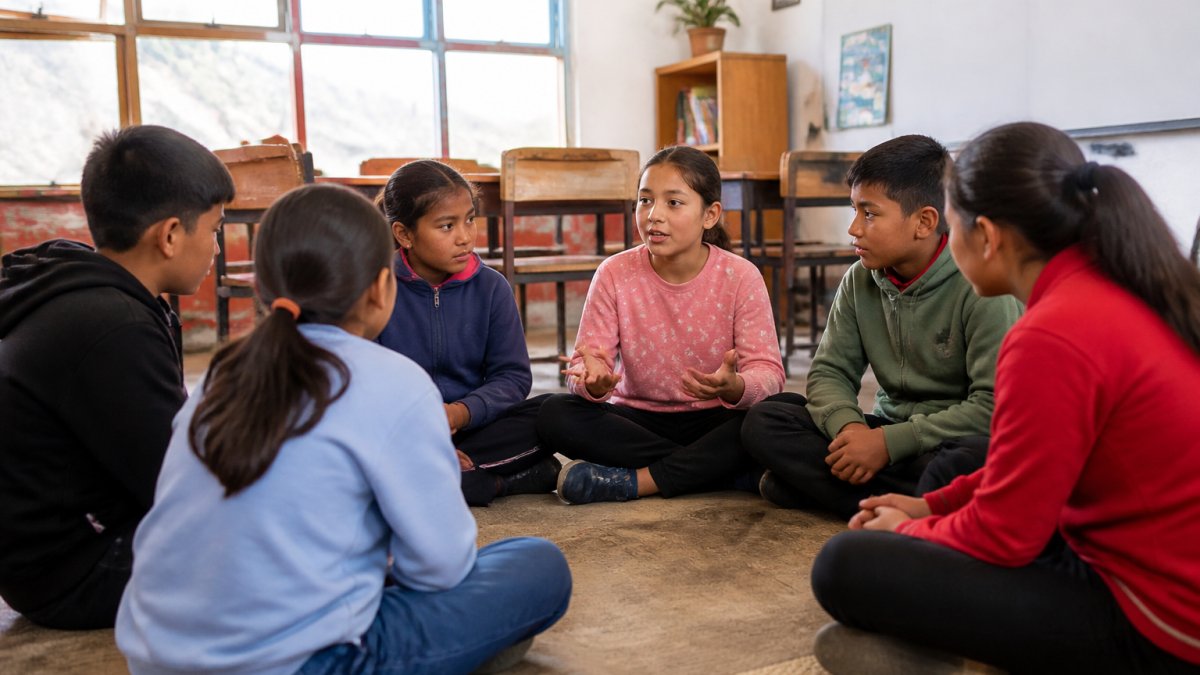
The Heroic Learning platform gamifies these activities, making them engaging and rewarding. Kids earn recognition for demonstrating empathy, managing emotions, and making responsible choices, which reinforces the behaviors you want to see.
| Activity Type | Core Competency | Real-World Application |
|---|---|---|
| Emotion check-ins | Self-awareness | Recognizing feelings before they escalate |
| Partner interviews | Social awareness, relationship skills | Building genuine connections with peers |
| Problem-solving tasks | Responsible decision-making | Contributing to community solutions |
| Role-playing scenarios | Self-management, relationship skills | Navigating social conflicts |
| Mindfulness practices | Self-management | Managing stress and anxiety |
Social Emotional Learning Strategies for Teachers to Support Student Growth
Teachers are the architects of classroom climate, and their approach to SEL shapes whether students feel safe enough to be vulnerable and learn.
Building relationships is non-negotiable. Students who feel genuinely seen and valued by their teachers are far more willing to engage with learning and take social risks. This means learning students' names, asking about their interests, and noticing when something seems off.
Another critical strategy is teaching conflict resolution explicitly. Rather than simply punishing behavioral problems, teachers can guide students through understanding what happened, how others were affected, and what they'd do differently next time. This builds responsible decision-making and often prevents the same conflict from recurring.
Creating opportunities for student voice and choice matters too. When students have some say in how they learn and what they work on, they feel more ownership and motivation.
According to research on school climate from the American Educational Research Association, classrooms where teachers intentionally build relationships and teach social skills show measurable improvements in both behavior and engagement.
Social Emotional Learning Programs for Schools: Implementation and Outcomes
Schools implementing SEL programs typically start by building staff understanding and buy-in, recognizing that the benefits of social emotional learning in schools extend to improved behavior, engagement, and academic outcomes. Teachers need to see why SEL matters and how it fits into their existing work, not as an add-on, but as foundational to effective teaching.
Next comes selecting or designing activities that align with school values and student needs. Some schools adopt established SEL curricula; others build their own. The choice depends on school context, resources, and the specific competencies the school wants to emphasize. Implementation works best when it's schoolwide and consistent, when all teachers reinforce the same competencies and language.
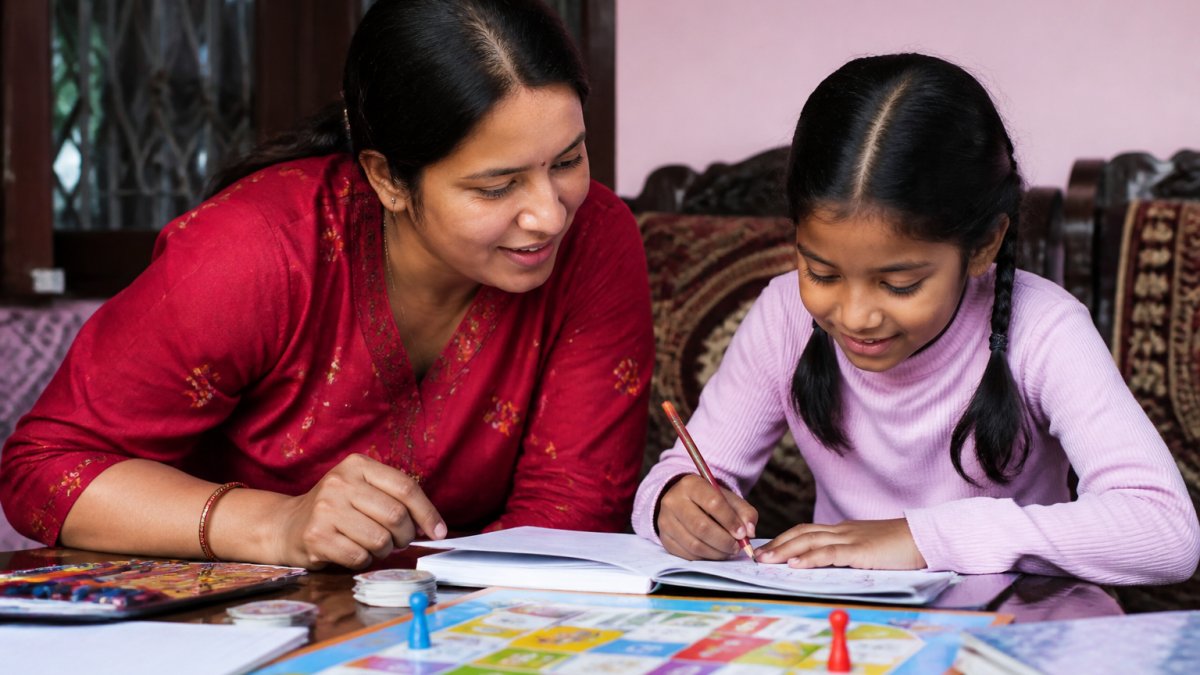
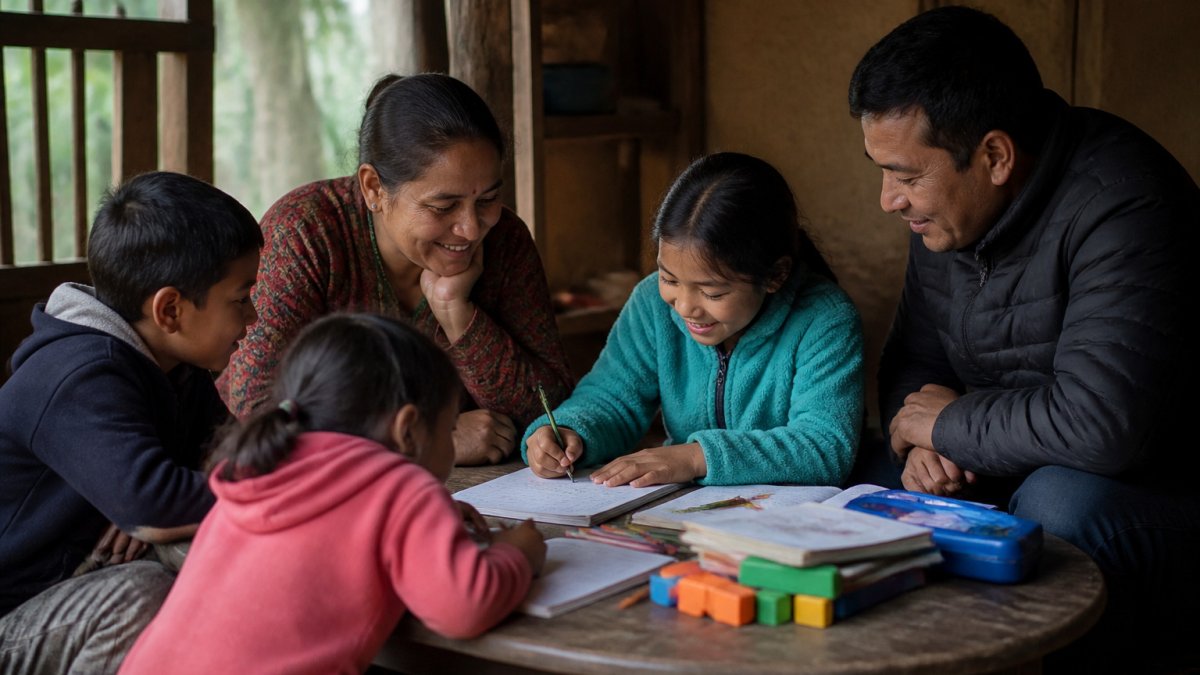
Family engagement is often where programs struggle, but it's where they succeed most powerfully. Schools that communicate with families about SEL, invite families to learn alongside students, and help families practice these skills at home see deeper, more lasting change. This is where the Heroic Learning platform creates real advantage: it's designed specifically for family-centered learning, turning SEL from a school initiative into a family movement.
Measuring SEL Progress in Your School
Measuring SEL is different from measuring math or reading, you're tracking changes in behavior, relationships, and emotional awareness, not just test scores. Schools use multiple approaches. Classroom observations capture how students interact with peers and handle emotions in real time. Teachers might note whether students are using conflict resolution steps or showing empathy toward struggling classmates.
Student surveys and self-assessments ask students directly about their own emotional awareness, relationships, and decision-making. These reveal how students see themselves and whether they're noticing growth. Teacher feedback provides insight into behavioral changes, fewer discipline referrals, better attendance, more engaged participation. Academic performance is also a legitimate measure: schools often see improvements in grades and test scores as SEL takes root, because students are more focused and resilient.
The Heroic Learning platform tracks progress through engagement metrics and skill demonstrations within the game environment, giving families real-time visibility into their child's growth in emotional awareness, empathy, and decision-making.
Overcoming Implementation Barriers
Schools often face real obstacles when implementing SEL. Time constraints are real, teachers already feel stretched. The solution isn't adding more; it's integrating SEL into existing structures. Morning meetings, transitions, and even academic instruction can embed social-emotional learning without creating new blocks of time.
Inconsistent buy-in happens when some teachers embrace SEL while others see it as peripheral. This requires ongoing communication about why SEL matters and how it supports academic goals. Leadership commitment is essential, when principals and district leaders prioritize SEL, teachers take it seriously.
Limited resources can be addressed through strategic partnerships and technology. The Heroic Learning platform provides scalable, affordable access to SEL activities that don't require extensive training or materials. Cultural misalignment sometimes emerges when SEL approaches don't reflect students' or families' values. The solution is involving families and community members in designing and implementing SEL so it feels authentic and relevant.
The Long-Term Impact: Why SEL Creates Lasting Change
The benefits of SEL extend far beyond the school day. Students who develop strong emotional and social skills in childhood carry these capacities into adolescence and adulthood. Research indicates that students with strong SEL competencies are more likely to graduate high school, pursue further education, and build stable careers and relationships.
They're also more resilient in the face of challenges. Life brings setbacks, job loss, relationship difficulties, health crises. Students who've practiced self-awareness, emotional regulation, and responsible decision-making navigate these challenges more effectively. They're less likely to turn to harmful coping mechanisms and more likely to seek support when they need it.
Beyond individual outcomes, SEL creates community-level change. When young people develop empathy and social awareness, they're more engaged citizens. They're more likely to contribute to their communities, support others, and work toward collective solutions to shared problems. In Nepal, where the Heroic Learning platform operates, this multiplier effect is profound, as families strengthen their emotional and social capabilities, entire communities become more resilient and prepared for challenges.
Addressing Common Concerns About SEL in Schools
Some families worry that SEL takes time away from academics. The evidence suggests the opposite: SEL supports academic learning by improving focus, reducing behavioral disruptions, and increasing engagement. Students who can manage emotions and collaborate effectively spend more time actually learning.
Others express concern that SEL is culturally inappropriate or imposes a particular value system. This is valid, SEL should reflect the values and perspectives of the communities it serves.
Some worry about implementation quality, that SEL becomes superficial or inconsistent. This is why ongoing training, clear expectations, and consistent measurement matter.
A few families question whether game-based learning actually builds real skills, or whether it's just entertainment. The research is clear: when games are designed with intentional learning objectives and require students to actually practice the skills being taught, learning sticks.
Building a strong foundation in social-emotional learning isn't optional, it's essential to preparing young people for meaningful lives and contributing to their communities. When schools prioritize SEL and families engage alongside their children, the impact multiplies.
Frequently Asked Questions
What are the main benefits of social emotional learning in schools?
Social emotional learning develops five critical competencies: self-awareness, self-management, social awareness, relationship skills, and responsible decision-making. Students who participate in SEL programs show improved academic performance, better emotional regulation, stronger peer relationships, and reduced behavioral problems. They also develop resilience and coping skills that help them navigate stress and challenges both in school and beyond. Schools implementing SEL report improvements in classroom climate, student engagement, and overall well-being.
How does social emotional learning help with academic achievement?
Research shows students engaged in social emotional learning demonstrate better focus, classroom engagement, and academic motivation. By developing self-management and responsible decision-making skills, students improve their ability to set goals, manage their time, and persist through challenges. Strong relationship skills and social awareness also enhance collaboration and communication in group projects. These foundational competencies directly support academic success and long-term learning outcomes.
What social emotional learning activities work best in classrooms?
Effective SEL activities include peer discussion circles, role-playing scenarios for conflict resolution, mindfulness and breathing exercises for stress management, collaborative problem-solving projects, and reflection journals for self-awareness. Games and interactive activities, like those in the Heroic Nepal platform, engage students while building emotional regulation and interpersonal skills. The key is making SEL intentional and ongoing, not a one-time lesson. Activities should connect to real student experiences and challenges.
How can teachers integrate SEL into daily instruction?
Teachers can weave SEL into existing lessons by incorporating reflection questions, building classroom routines that emphasize respect and inclusion, providing specific feedback that develops self-awareness, and modeling emotional regulation during challenging moments. Explicitly teaching conflict resolution and empathy through literature, history, and current events strengthens social awareness. Regular check-ins with students about their emotions and relationships create a culture where SEL is valued. Professional development helps teachers recognize teachable moments and respond with SEL-informed strategies.