 Ultimate guide
Benefits of Family Emergency Planning for Children: Heroic Nepal Guide
Table of Contents
- Why Family Emergency Planning Matters for Children in Nepal
- How to Teach Children Emergency Preparedness at Home
- Your Family Emergency Plan Checklist for Nepal
- Using a Family Emergency Plan Template That Works
- Emergency Preparedness Activities for Kids That Build Real Habits
- The Long-Term Benefits of Family Emergency Planning for Children
- Common Mistakes Families Make When Planning for Emergencies
- Conclusion: Start Your Family Emergency Plan Today
- Frequently Asked Questions
Last Updated: October 8, 2026
Why Family Emergency Planning Matters for Children in Nepal
Nepal sits in one of the world's most seismically active zones, and the monsoon season brings floods and landslides to communities across the country every year. For families, this reality makes family emergency planning a basic life skill, not a distant worry. This guide explains how to build that skill in children, step by step, and how the Heroic Nepal platform turns preparedness into a game kids and their families actually enjoy playing.
The core idea is simple. A family emergency plan is a written, practiced set of instructions that tells every family member what to do, where to go, and who to contact when disaster strikes. Children who grow up rehearsing those steps respond faster and panic less. The benefits of family emergency planning for children extend far beyond disasters too: kids who learn to prepare tend to become calmer problem-solvers in everyday life.
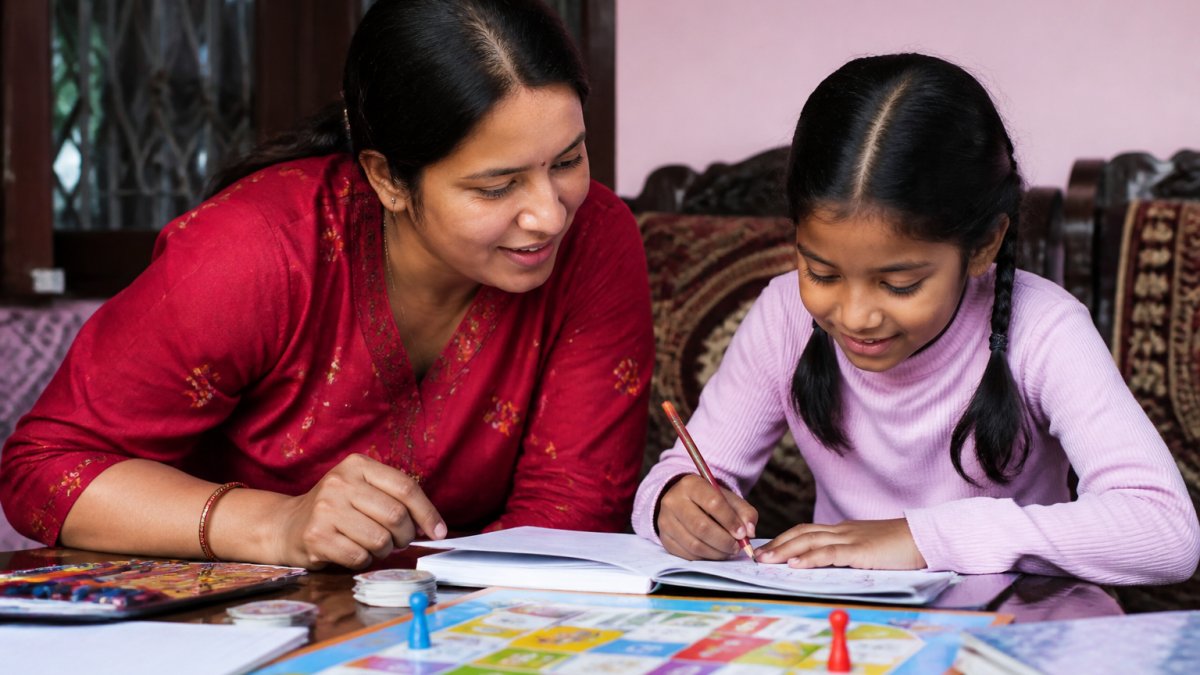
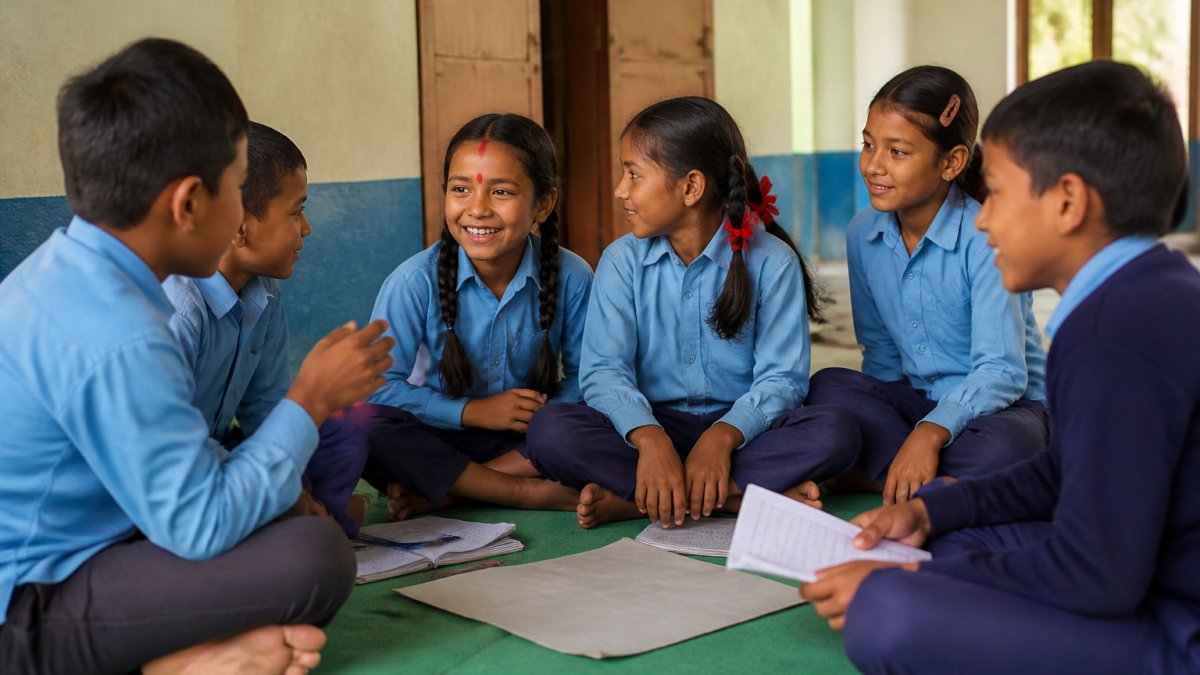
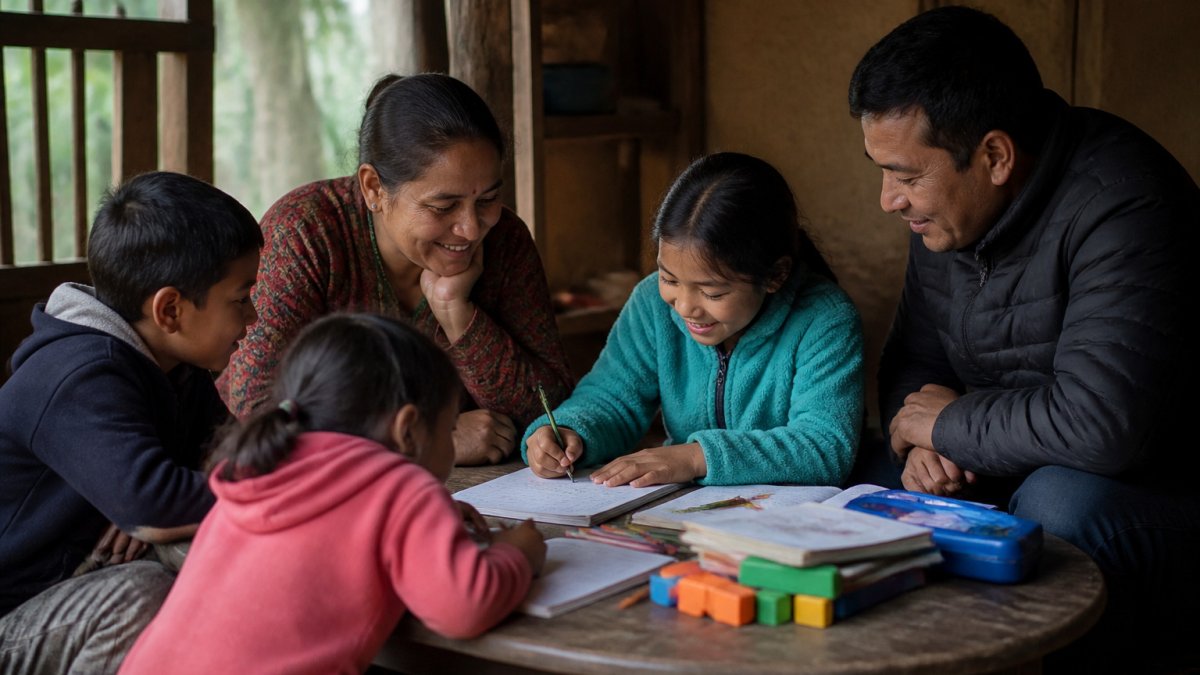
That is exactly what families do inside the Heroic Learning platform, where children and their parents work through preparedness lessons together as part of a game-based life-skills curriculum.
How to Teach Children Emergency Preparedness at Home
Teaching children emergency preparedness starts with conversation, not paperwork. Sit down together, talk about what could happen in your area, and let children ask questions without fear. Keep the tone practical: "Here is what we would do," rather than "Something terrible might happen."
A common mistake is treating the topic as a single serious talk. Children absorb preparedness best through short, repeated, hands-on sessions. Walk through your home and point out safe spots, exits, and where you keep your emergency bag. Let them touch the torch, the whistle, and the first-aid kit so these objects feel familiar rather than strange.
Age-Appropriate Lessons for Younger Children
For children under eight, focus on three things: knowing their full name and address, recognizing a trusted adult, and following one simple instruction like "go to the courtyard." Use games and songs. A five-year-old will not remember a written plan, but they will remember a rhyme about where to meet.
Building Skills with Older Children and Teens
Older children can take on real roles. Teach them how to switch off the gas, how to use a fire extinguisher, and how to send a short message to a family contact. Teenagers can learn basic first aid and help younger siblings practice. Giving them responsibility builds confidence rather than fear.
Your Family Emergency Plan Checklist for Nepal
A family emergency plan checklist keeps the process manageable. Work through it over a week or two rather than in one sitting, and involve every family member in at least one item.
- Agree on two meeting points: one just outside the home, one in the wider neighbourhood
- Write down emergency contact numbers on paper as well as in phones
- Identify the safest spot in each room, away from windows and heavy furniture
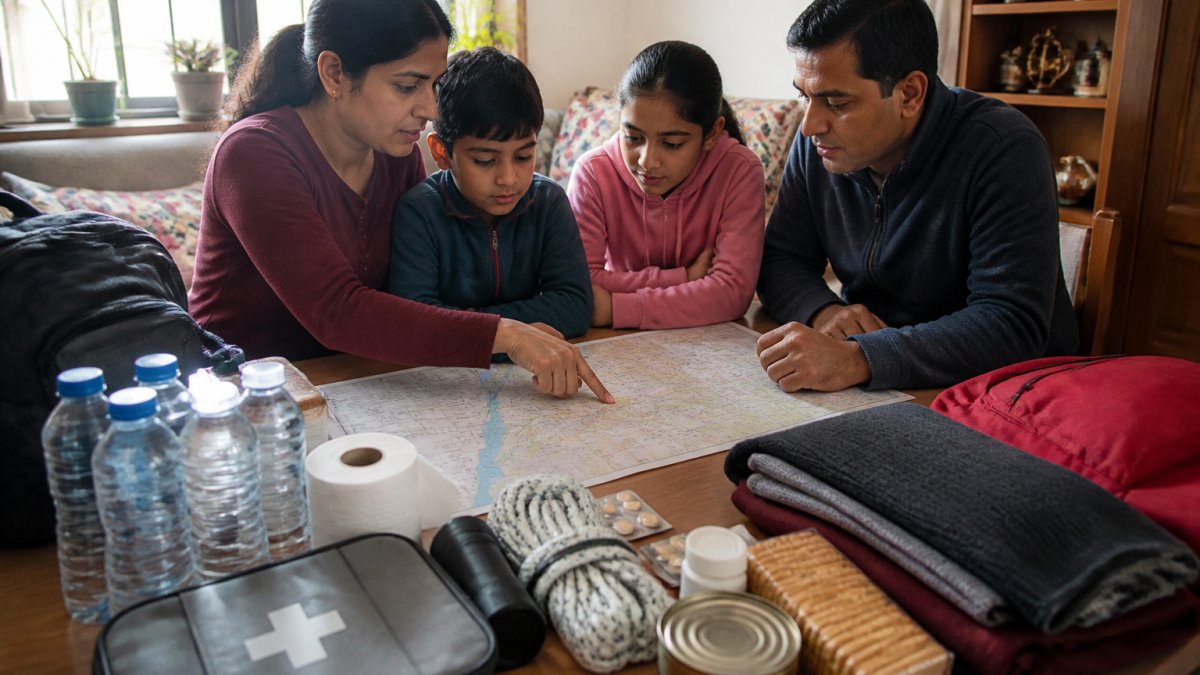
- Pack a family emergency bag with water, dry food, a torch, a whistle, and basic medicines
- Assign each family member a simple role, such as grabbing the bag or helping a younger child
- Learn the local evacuation route and the location of the nearest open ground
- Store important documents in a waterproof folder
- Practice the full plan together at least twice a year
For guidance on household disaster readiness, the Nepal Red Cross Society publishes preparedness resources for communities across the country.
Using a Family Emergency Plan Template That Works
A family emergency plan template saves time, but only if you adapt it. Most templates cover the same fields: family details, meeting points, contacts, roles, and supplies. The mistake is downloading one, filling it in once, and filing it away.
Make the template work by keeping it visible. Stick a one-page version on the inside of your main door where everyone passes it daily. Update it whenever a phone number, school, or address changes. Children should be able to point to the plan and explain it in their own words.
Emergency Preparedness Activities for Kids That Build Real Habits
Emergency preparedness activities for kids work best when they feel like play. A monthly "drill night" where the family practices in the dark with torches turns a serious topic into a game children ask to repeat. Timed challenges, where everyone races to the meeting point, build speed without fear.
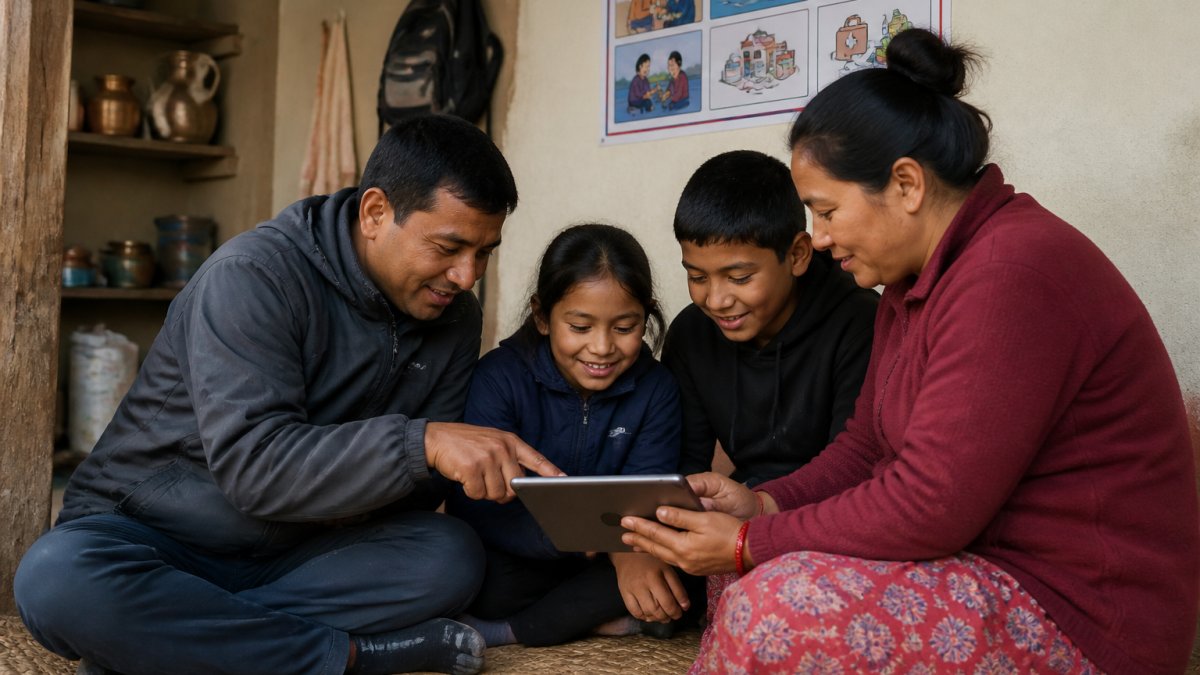
Other activities that build lasting habits:
- Let children pack their own small "go bag" with a torch and a favourite small item
- Practice sending a short check-in message to a relative
- Draw a simple map of the home showing exits and safe spots
- Role-play calling for help using a toy phone
Repetition is what turns an activity into a habit. Once a month is enough.
The Long-Term Benefits of Family Emergency Planning for Children
The benefits of family emergency planning for children outlast any single disaster. Children who practice preparedness grow into adults who plan ahead, stay calm under pressure, and take responsibility for others. These are the same life skills that support success at school, at work, and in the community.
There is a family benefit too. Planning together strengthens communication and trust, because every member knows their role and feels included. Prepared families also recover faster after a flood or earthquake, which protects income, schooling, and health.
Preparedness is one part of a wider mission: strengthening Nepali families through life-skills education so communities can grow economically and socially. Preparedness and prosperity are connected, because a family that can respond to disaster is a family that can keep building toward its goals.
Common Mistakes Families Make When Planning for Emergencies
The biggest mistake is planning without practicing. A written plan that has never been rehearsed rarely survives the first minutes of a real emergency. Practice is what converts knowledge into action.
Other frequent errors:
- Making the plan too complicated for younger children to remember
- Excluding children from the planning conversation entirely
- Forgetting to update contact numbers when they change
- Storing the emergency bag somewhere children cannot reach or find
- Assuming someone else, a school or a neighbour, has already prepared the children
Fix these by keeping the plan short, involving every family member, and reviewing it twice a year.
Conclusion: Start Your Family Emergency Plan Today
Every family in Nepal faces some risk, whether from earthquakes, floods, or landslides. The families that cope best are not the lucky ones; they are the prepared ones. Start today with one conversation, one checklist, and one practice drill, then build from there.
Heroic Nepal is built for exactly this work. Our AI-driven, game-based platform helps children and their families develop critical life skills, including preparedness, through short lessons that fit into daily life. The platform's tokenization model gives both donors and learners a real stake in the outcome, while our hi-touch approach connects families with community mentors and subject matter experts.
Join the Cause with Rebuild Nepal and help your family, and families across Nepal, build the habits that keep them safe and moving forward.
Frequently Asked Questions
What are the benefits of emergency planning for children?
Family emergency planning gives children clear steps to follow when disaster strikes, which reduces panic and helps them act safely. It builds confidence, strengthens family communication, and teaches decision-making skills they carry into adulthood. In Nepal, where earthquakes and monsoon floods are common, children who have practiced a plan are far more likely to respond calmly and help younger siblings. The Heroic Learning platform turns this preparation into game-based lessons that families complete together, so the habits stick long after the lesson ends.
How does a family emergency plan help children feel safer?
Children feel safer when they know exactly what to do and where to go. A written plan removes uncertainty: it names a meeting point, lists emergency contacts, and assigns simple roles even young children can handle. Practicing the plan through drills and games turns fear into familiarity. On the Heroic Learning platform, Nepali families rehearse scenarios together, which reassures children that their parents and grandparents have a strategy and that they are part of it, not just bystanders.
How can parents involve children in emergency preparedness?
Start by letting children help build the plan. Ask them to draw escape routes, pack their own go-bag with a torch and snacks, or choose the family meeting spot. Give them a job during drills, such as counting family members or carrying the first-aid kit. Keep sessions short and playful for younger children. The Heroic Learning platform guides this involvement step by step, so parents and children in Nepal can work through preparedness activities together without it feeling like homework.
What should a family emergency plan include for children?
A strong plan includes a family meeting point, two emergency contacts, a go-bag with water, snacks, a torch, and any medicines, plus simple roles for each child. It should also cover school pickup arrangements and how to reach grandparents. Write it down and review it every six months. Families on the Heroic Learning platform use a family emergency plan template that covers these items and adapts them to their local area, whether they live in Kathmandu or a rural village.
How often should families practice an emergency plan with children?
Practice at least twice a year, and repeat key steps every few months for younger children. Short, regular drills work better than one long session. Tie practice to the seasons: before monsoon and again in winter. Families using the Heroic Learning platform build practice into weekly game sessions, which keeps skills fresh without adding stress. After each drill, ask children what felt easy and what was confusing, then adjust the plan together.
How can parents explain emergencies to children without frightening them?
Use calm, factual language and focus on what the family can control. Say, for example, that floods sometimes happen and that is why we have a plan and a go-bag. Avoid graphic details. Let children ask questions and answer honestly but simply. Pair explanations with action: practicing a drill right after a conversation shows children that preparedness is manageable. The Heroic Learning platform frames emergencies through stories and games, which helps Nepali children learn without fear.