 Ultimate guide
Game Based Life Skills for Children: The Heroic Nepal Guide
Last Updated: October 25, 2026
Quick Summary
Game based life skills for children work because play lets kids rehearse real decisions without real consequences, so judgment grows faster than with worksheets. At Rebuild Nepal, families build these life skills inside the Heroic Learning platform by playing short games and debriefing afterward. Start with one game, one skill, and fifteen minutes.
- Worksheets test recall, while games build judgment through decisions and consequences.
- A morning race game builds sequencing and independence; a food sorting game teaches food safety.
- After each round ask: what did you plan, what happened, what would you try next time?
- Keep rules to two or three steps with picture cards for ages 4 to 6.
- Adapt the game, not the child: shorten rounds, use picture prompts, and allow pointing or signing.
Table of Contents
- Why Games Teach Life Skills Better Than Worksheets
- Life Skills Activities for Kids That Build Everyday Independence
- Social Emotional Learning Games for Communication and Teamwork
- Problem-Solving Games for Kids That Sharpen Critical Thinking
- Alternatives to Worksheets for Family Learning Activities
- Age-by-Age Game Adaptations and Inclusive Setup
- Start Your Family's First Heroic Learning Game Session
- Frequently Asked Questions
Why Games Teach Life Skills Better Than Worksheets
Game based life skills for children work because play is how kids rehearse real decisions without real consequences. At Rebuild Nepal, we built the Heroic Learning platform around that principle: families play, children practice, and the skills stick.
The core insight is simple and most guides miss it: worksheets test recall, games build judgment. A worksheet asks a child to circle the correct answer.
Here is what we cover below: seven practical areas where games outperform worksheets, plus age adaptations, inclusive setup, and a first session you can run this week. Every activity is the kind of work kids and their families already do inside the Heroic Learning platform.
Life Skills Activities for Kids That Build Everyday Independence
Life skills activities for kids should mirror the tasks children actually face: getting dressed, preparing food, handling money, managing a routine.
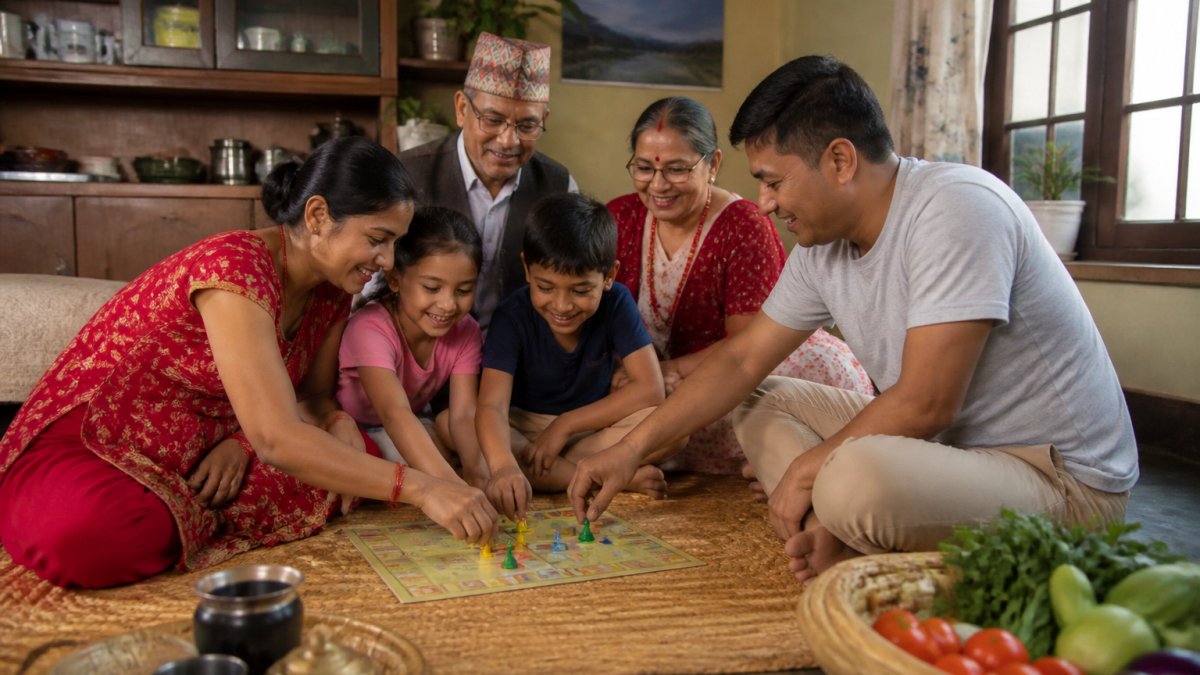
Start with daily living skills. A "morning race" game where a child sequences dressing steps against a timer builds sequencing tasks and independence at once.
Food safety is the one most families skip.
Money skills deserve their own game. Give each child a small budget in NPR for a pretend market trip, with play money and price cards.
Social Emotional Learning Games for Communication and Teamwork
Social emotional learning games build the skills children cannot practice alone: communication, cooperation, turn-taking, sharing, and resolving disagreements.
Try a "build it together" challenge.
Turn-taking games with a twist work well for younger children.
For resolving disagreements, use role-reversal games. Two children act out a small conflict, then swap roles.
Team sports and noncompetitive games both belong here. Noncompetitive games remove the fear of losing, which lets quieter children practice relationship skills without the pressure of performance.
Problem-Solving Games for Kids That Sharpen Critical Thinking
Problem-solving games for kids develop critical thinking, cognitive abilities, and decision-making through puzzles, riddles, chess, and strategy board games. The mechanism is consistent: a child forms a plan, tests it, watches it fail or succeed, and adjusts. What most guides leave out is which game trains which thinking skill, and how a parent can tell the skill is actually growing.
Match the game to the thinking skill
Not every strategy game trains the same muscle. Use this mapping to pick deliberately:
| Thinking skill | Game type | What to watch for |
|---|---|---|
| Planning ahead | Chess, checkers, simple abstract strategy | Child states a plan before moving, not just reacts |
| Flexible thinking | Riddles, word puzzles, "what else could this be?" games | Child offers a second idea after the first fails |
| Consequence-tracking | Strategy board games with visible scoring | Child predicts what an opponent will do next |
| Persistence | Multi-step jigsaw puzzles, tangrams | Child returns to a stuck piece instead of abandoning it |
| Resource trade-offs | Budgeting and market games with play money in NPR | Child chooses essentials before treats without prompting |
| Deduction | Guess-who and clue-elimination games | Child narrows options using evidence, not guessing |
A common pattern practitioners see: children who struggle with planning do better when the game shows the whole board at once, while children who struggle with flexibility do better when the rules change mid-game. Pick the game to the skill, not the skill to the game.
The debrief is where the skill transfers
The value is in the debrief, not the game. After a round, ask three questions. What did you plan? What actually happened? What would you try next time? That five-minute conversation converts a fun activity into a transferable skill. Keep it short, one minute per question is enough, and let the child do most of the talking.
Observable signs of progress
You do not need a test to see growth. Watch for these indicators across four to six sessions:
- The child states a plan before acting, rather than moving and then explaining.
- The child tries a second approach after a failure without being told to.
- The child predicts an opponent's move or a likely outcome out loud.
If none of these appear after several sessions, the game is probably too hard or too easy. Adjust the difficulty before adding a new game.
The losing lesson
Letting a child win every time kills the lesson. Losing safely, with a parent nearby to help process it, is where resilience and self-management get built. A useful middle path is to play fully but narrate your own thinking out loud, so the child sees how an adult plans, fails, and recovers. That modelling does more for critical thinking than a dozen easy wins.
Families in the Heroic Learning platform run these problem-solving games in short weekly rounds, with the debrief built into the session so the thinking skill is named and practised, not just played.
Alternatives to Worksheets for Family Learning Activities
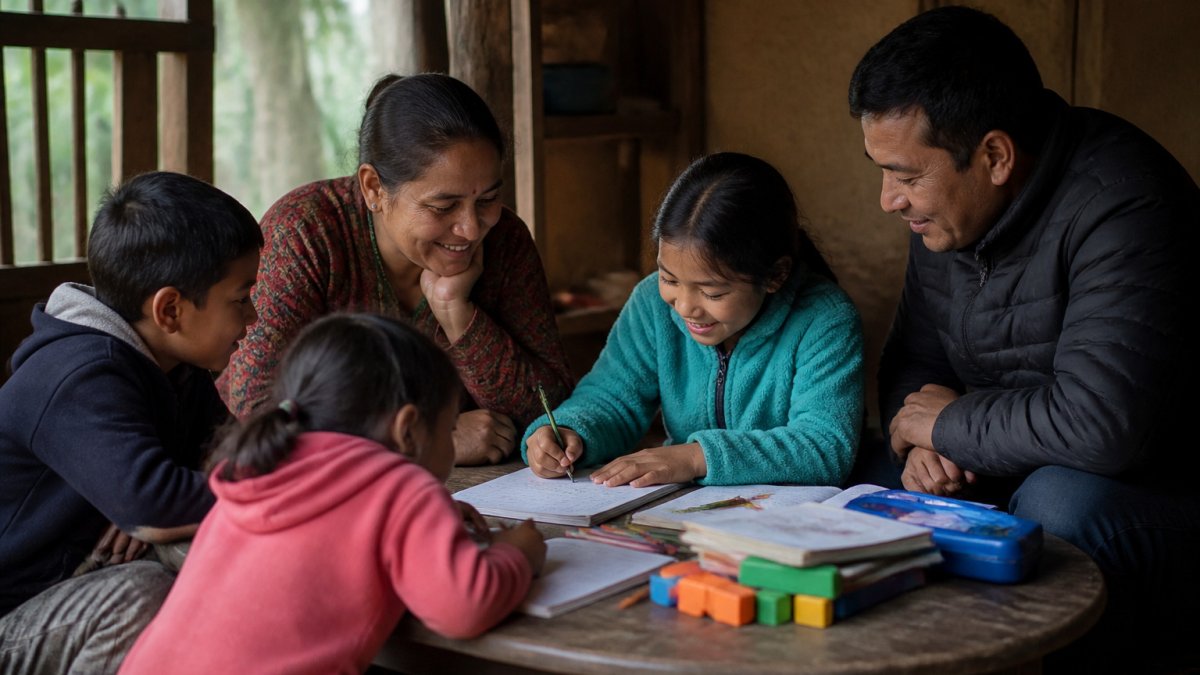
Alternatives to worksheets for family learning activities work best when the whole family plays a role.
Grandparents are natural story-keepers.
Outdoor exploration is the most underused alternative. A neighborhood scavenger hunt with a checklist builds physical awareness, observation, and teamwork with zero materials beyond paper.
Families who want a structured starting point can explore the family program we run, which organizes these activities into a simple weekly rhythm.
Age-by-Age Game Adaptations and Inclusive Setup
Age-by-age adaptation is where most activity guides stop short, and it is where implementation actually succeeds or fails. The same game needs different rules for a five-year-old and a ten-year-old. The bigger gap in most guides is inclusion: children with disabilities, neurodivergent children, and children still learning the language of instruction are usually left out of the instructions entirely. This section covers both, because a game that only works for one kind of child is not a life-skills game, it is a filter.
Age bands and how to adapt the same game
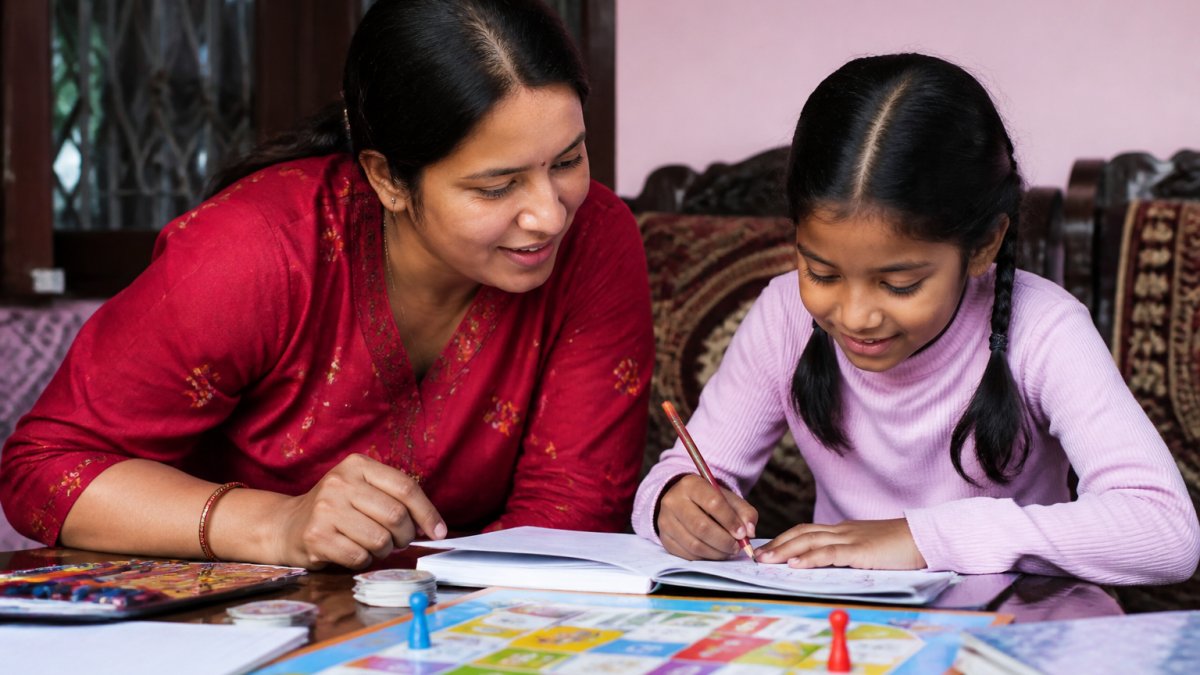
Take one game, a simple turn-taking board game, and change it by age:
| Age band | Rules | Materials | Session length | Adult role |
|---|---|---|---|---|
| 4-6 | Two or three steps; picture cards instead of text | Large pieces, colour-coded | 10-15 minutes | Plays alongside, models turn-taking |
| 7-9 | Add simple scoring and one choice per turn | Score pad, play money in NPR | 15-20 minutes | Sets up, steps back mid-game |
| 10-12 | Multi-step strategy, hidden information | Strategy board, timer | 20-30 minutes | Debriefs only |
| 13+ | Team challenges, negotiation, planning | Multi-player strategy games | 30-45 minutes | Coaches, does not direct |
For ages 4 to 6, keep rules to two or three steps and use picture cards instead of text. Turn-taking and sharing games work best here. For ages 7 to 9, add simple strategy and money games with clear scoring. For ages 10 and up, introduce chess, multi-step riddles, and team challenges that require planning. The table above is the shortcut: change one variable at a time, rules, materials, or time, and the same game stretches across years.
Inclusive adaptations that actually work
Inclusion is not a separate activity; it is a set of adjustments to the activity you already planned. The most useful ones:
- Mobility: Play seated versions of team games. Lower the board, use a lazy Susan or a reachable tray, and let a child direct a partner who moves pieces.
- Reading and language differences: Replace text prompts with picture cards, icons, or spoken instructions. Pair a child still learning the language of instruction with a buddy who translates the rule, not the answer.
- Sensory needs: Offer a quiet corner, noise-reducing headphones, and a noncompetitive format. Dim loud timers or replace them with a visual sand timer.
Setup time and materials
Most of these games need nothing beyond what a household already has: paper, pens, a timer, blocks, a deck of cards, and play money in NPR for the budgeting games. Setup should take under five minutes. If a game needs more than that, simplify it, a complicated setup is the most common reason families stop after one session.
Running it across home, school, and community
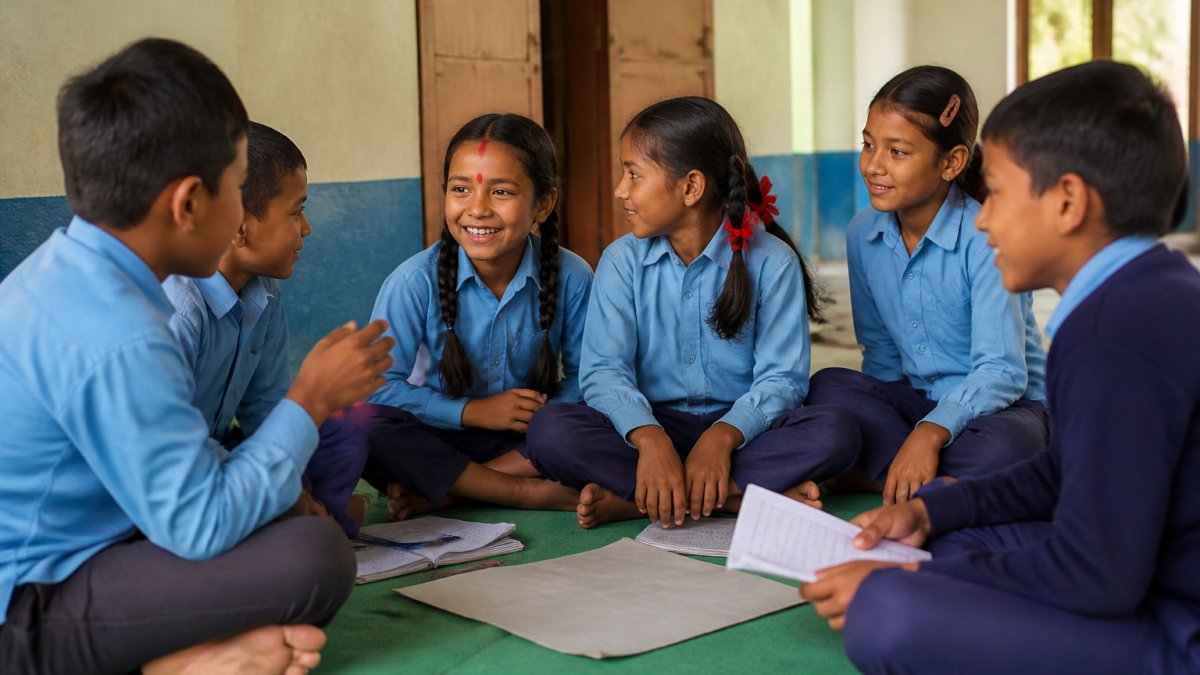
The same activity works in three settings if the adult role shifts. At home, a parent plays alongside and debriefs. In a classroom or community group, a facilitator sets up, pairs children, and debriefs the whole group with the three questions. The game does not change; only who runs the debrief changes.
If you have a specific adaptation question for your child, you can contact our team and we will help you shape the session.
Start Your Family's First Heroic Learning Game Session
Start with one game, one skill, and fifteen minutes. That is the whole formula. Pick a single skill from this article, choose a game that practices it, and run one round with a short debrief afterward.
Here is a simple first-session checklist:
- Choose one skill (for example, money skills or turn-taking)
- Pick one game and read the rules aloud together
- Set a fifteen-minute timer
That is enough for week one. Repeat it twice more, then add a second skill. Families who start small tend to keep going, while families who plan an elaborate curriculum often stop after a week.
For a deeper look at how life skills education compares with academic education, read our guide to life skills versus academic education. When you are ready to begin, this is where you get started with the platform, including the QR code and link.
Frequently Asked Questions
What life skills can children develop through games?
Games build a wide set of skills depending on how they are played. Board games teach turn-taking, patience and handling disappointment. Team sports build communication and cooperation. Puzzles and riddles strengthen problem-solving and critical thinking. Role-play games develop money skills, hygiene routines and decision-making. When families play together, children also practise resolving disagreements and reading emotions, which are core parts of social emotional learning.
How long should a life skills game session for children last?
Short sessions work best for most families. Twenty to thirty minutes is enough for younger children, while older kids can handle forty-five minutes to an hour. The goal is steady practice, not marathon sessions. Three or four short sessions a week build stronger habits than one long weekend session. Stop while everyone is still enjoying it, and let children ask for more next time.
How can families teach problem-solving through games?
Choose games with open outcomes, such as puzzles, strategy board games or building challenges, where children must plan and adjust. Ask questions instead of giving answers: what will you try next, what went wrong, what would you change. Let them lose a round and try again. This repeated loop of trying, failing and adjusting is how problem-solving games for kids build real critical thinking.
Are screen-based learning games safe and useful for children?
Screen-based games can work well when they are purposeful and moderated. Look for platforms designed around specific skills rather than endless entertainment loops, and set clear time limits. Families should agree on privacy settings and keep play in shared spaces. Platforms like Heroic Nepal combine structured game-based life skills learning with family involvement, so screen time becomes guided practice rather than passive scrolling.
What skills do children develop by playing board games?
Board games teach turn-taking, sharing, following rules and managing frustration when things go wrong. They also build sequencing, counting and planning, plus conversation skills as players explain moves and negotiate. Because everyone plays by the same rules, children practise fairness and cooperation. These are the same everyday routines and social skills that carry into school, friendships and family life.
Your family does not need more worksheets. It needs a game, a timer, and fifteen minutes. Rebuild Nepal built the Heroic Learning platform to make that easy, with an AI-driven, game-based approach, a family triad of parents and grandparents and siblings, and expert facilitators who support the work. Get started with Rebuild Nepal and turn your first family game night into a life-skills session.