 blog
4 Life Skills Pillars Heroic Nepal Builds in Kids
Last Updated: November 22, 2026
Quick Summary
The four life skills pillars are learning to know, learning to do, learning to live together, and learning to be. They come from the UNESCO-linked Delors Report, which argues that education should cover all four areas, not just school subjects. Together they describe the abilities a child needs to think well, act well, get along with others, and grow as a whole person.
- Learning to know builds concentration, reasoning, problem solving, and curiosity.
- Learning to do turns knowledge into practical action, such as following a plan or managing a small budget.
- Learning to live together builds respect, teamwork, listening, and empathy with family and community.
- Learning to be builds self-awareness, emotional understanding, and the ability to set personal goals.
- Heroic Nepal platform families practice all four pillars together through game-based learning.
Table of Contents
- What Are the Four Pillars of Life Skills?
- Learning to Know: Building Thinking Foundations
- Learning to Do: Turning Knowledge Into Action
- Learning to Live Together: Social Skills at Home and in the Community
- Learning to Be: Self-Awareness and Personal Growth
- The Importance of Life Skills Education for Nepali Children
- How Game-Based Learning Builds Life Skills Through Play
- Developing Critical Thinking in Children, Starting at Home
- Frequently Asked Questions
What Are the Four Pillars of Life Skills?
The four pillars of life skills are learning to know, learning to do, learning to live together, and learning to be. Together these life skills pillars describe the full range of abilities a child needs to think well, act well, get along with others, and grow into a whole person.
The framework comes from the UNESCO-linked Delors Report, which argued that education should cover all four areas rather than focusing only on school subjects. Learning: The Treasure Within, the UNESCO Delors Report
Here is each pillar in brief:
- Learning to know builds thinking skills and curiosity.
- Learning to do turns knowledge into practical action.
- Learning to live together builds respect, teamwork, and empathy.
- Learning to be builds self-awareness and personal growth.
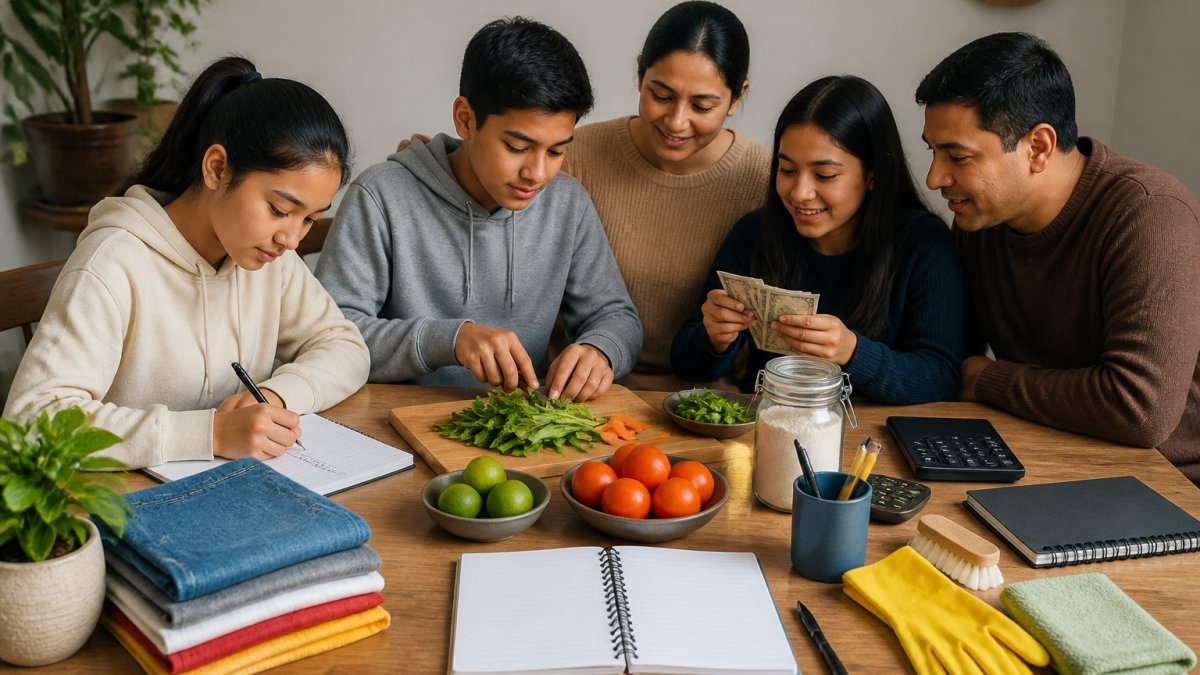
What we cover is practiced every day by kids and their families on the Heroic Nepal learning platform. Families play together, and the games train all four pillars at once. Each pillar below shows how that works.
Here is each pillar in brief, as the article sets them out:
| Pillar | Focus | Example skills |
|---|---|---|
| Learning to know | Thinking skills and curiosity | Concentration, reasoning, problem solving |
| Learning to do | Turning knowledge into practical action | Following a plan, managing a small budget |
| Learning to live together | Respect, teamwork, and empathy | Taking turns, listening, helping others |
| Learning to be | Self-awareness and personal growth | Naming feelings, setting personal goals |
Learning to Know: Building Thinking Foundations
Learning to know is the cognitive pillar. In the Delors Report framing, it covers the tools of understanding itself: concentration, memory, reasoning, problem solving, and the disposition to keep learning throughout life. It is less about accumulating facts and more about building the mental habits that let a child acquire new knowledge independently.
This pillar is often described as having four working parts:
- Attention and memory, the ability to focus on a task and hold information long enough to use it.
- Reasoning, comparing ideas, spotting patterns, and drawing conclusions that hold up.
- Problem solving, breaking a messy situation into steps and testing a solution.
- Curiosity and metacognition, asking why, and noticing how you yourself think.
These four parts feed directly into critical thinking, which is the practical face of this pillar. A child who learns to know well does not just answer questions; they ask whether the question is the right one, what evidence supports an answer, and what else could be true.
Common signs of strong thinking skills include:
- Asking follow-up questions rather than accepting the first answer
- Explaining how they solved a problem, not just the answer
- Changing their mind when they see new evidence
- Noticing when they are confused and asking for clarification
On the Heroic Nepal platform, kids and their families practice these thinking skills together through game-based learning, with family members and experts taking part in the sessions.
Learning to Do: Turning Knowledge Into Action
Learning to do means applying what a child knows. Knowing that water boils is different from making a safe cup of tea.
Practical skills build confidence. A child who has practiced planning a family task is more likely to handle a real one.
Some everyday examples include:
- Following a simple plan step by step
- Managing a small budget for a family outing
- Responding calmly when something goes wrong
On the Heroic Nepal platform, children practice these tasks through game-based challenges and talk through them with their families and mentors.
Learning to Live Together: Social Skills at Home and in the Community
Learning to live together covers how children treat others. It includes listening, cooperating, resolving conflict, and respecting different people.
This pillar matters most in families and communities where many generations share one home. Children learn patience from grandparents and teamwork from siblings.
Good practice in this pillar looks like:
- Taking turns and sharing a shared task
- Listening before replying
- Helping a neighbor or classmate
In the Heroic Nepal triad model, parents, grandparents, siblings, and subject experts all take part in the learning process. Children practice cooperation with the people they live with every day.
Learning to Be: Self-Awareness and Personal Growth
Learning to be is about a child's sense of self. It includes emotional awareness, confidence, and the ability to set and reach personal goals.
A child who understands their feelings handles stress and setbacks better. Self-awareness also helps children make choices that match their values.
Signs of growing self-awareness include:
- Naming feelings accurately
- Setting a personal goal and tracking progress
- Asking for help without shame
The Importance of Life Skills Education for Nepali Children
Life skills education matters because school alone rarely teaches all four pillars. Curricula tend to reward learning to know and, to a lesser degree, learning to do, while learning to live together and learning to be are left to chance. The Delors Report made this exact argument: education systems that focus only on subject content produce people who can pass exams but struggle with cooperation, self-management, and real-world decisions.
For children, the stakes are concrete. Many face exam pressure, limited practice in real-world decisions, and few structured chances to learn alongside family members. Disaster preparedness, money management, health habits, and conflict resolution all depend on the same underlying abilities, reasoning under pressure, planning, cooperating, and reflecting on one's own behavior.
Life skills education can help in several ways:
- Builds confidence for school, work, and community life
- Supports healthier habits and stronger relationships
- Gives children practice at decisions before the stakes are high
This is also where the framework connects to lifelong learning. The four pillars are not a school syllabus that ends at graduation; they describe capabilities adults keep developing. A parent who models learning to live together at home is practicing the same pillar they want their child to absorb.
A gap most coverage misses is measurement. Learning to know and learning to do are relatively easy to assess through tests and tasks. Learning to be and learning to live together are harder, and most practitioners rely on observation, reflection notes, and structured feedback from family members rather than scores. That is a trade-off worth naming: the pillars that matter most for a whole life are the ones hardest to put a number on.
Rebuild Nepal believes these skills should reach every household. The Heroic Nepal platform is built around that belief: kids and their families practice life skills together through game-based learning.
How Game-Based Learning Builds Life Skills Through Play
Game-based learning works because children learn most when they are engaged and want to keep going. A well-designed game asks children to think, plan, cooperate, and reflect, which covers all four pillars.
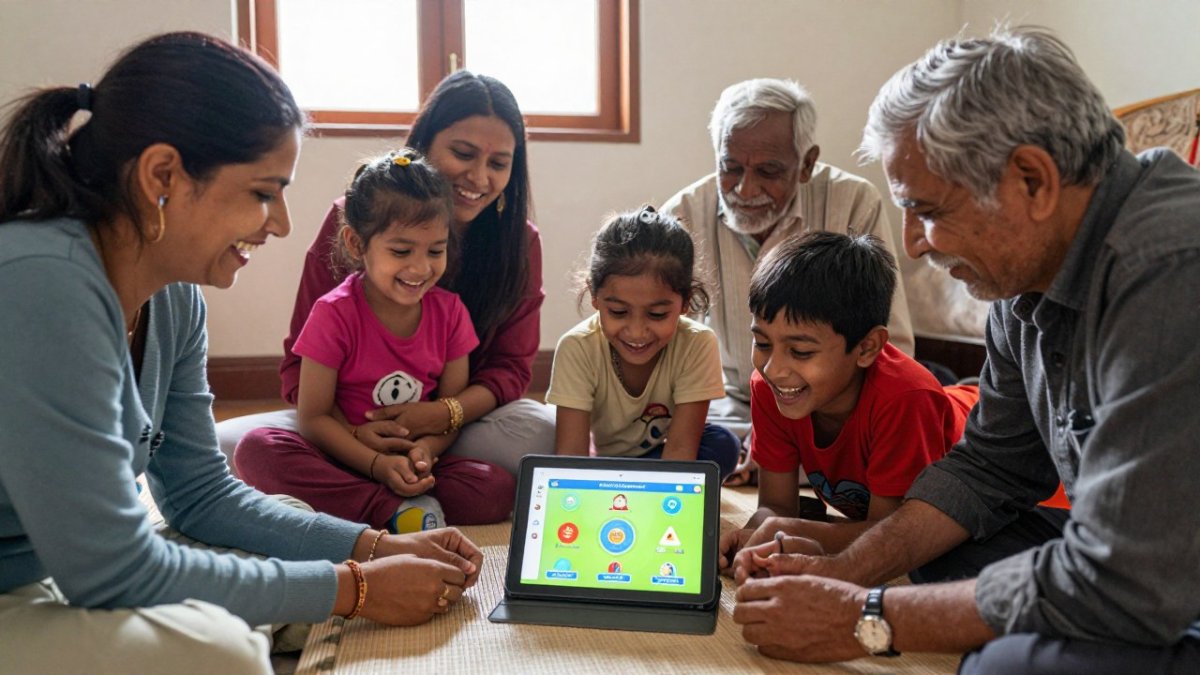
Play also lowers the stress of learning. A child who fails a game level tries again. A child who gets a test wrong often feels discouraged.
Game-based learning for life skills works best when:
- Sessions are short and regular
- A trusted adult talks through the lessons
- Children get to apply what they learned in real life
Developing Critical Thinking in Children, Starting at Home
Critical thinking is a core part of learning to know. It means asking whether an idea makes sense, checking the evidence, and considering other views.
Parents do not need special training to build this habit. Simple questions at the dinner table work well, such as "How do you know that?" or "What else could have happened?"
Families can practice critical thinking through:
- Discussing news or stories together
- Comparing two ways to solve the same problem
- Letting children make small decisions and explain them
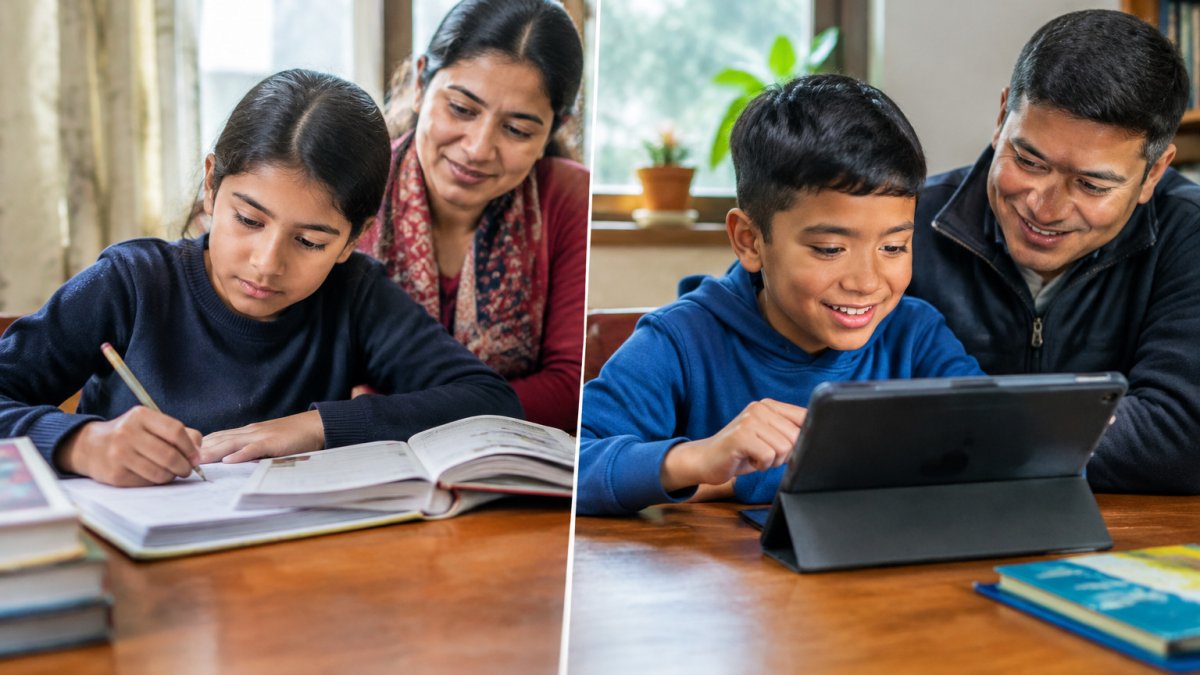
Heroic Nepal's family approach brings family members into the learning process, so children practice reasoning with the people who matter most to them.
Join the cause. Rebuild Nepal and Heroic Nepal work to give every Nepali family the tools to learn, plan, and grow together. Explore the platform to see how life skills can become a daily habit at home.
Frequently Asked Questions
What are the four pillars of education according to UNESCO?
The four pillars come from the UNESCO Delors Report, which describes learning to know, learning to do, learning to live together, and learning to be. Learning to know builds the ability to think and understand. Learning to do turns knowledge into practical action. Learning to live together develops cooperation and respect for others. Learning to be supports self-awareness and personal growth. Together they describe education as more than memorising facts, and they form the framework that life skills education follows.
How do the four pillars of life skills support personal development?
Each pillar covers a different part of growing up. Learning to know gives children the curiosity and reasoning to solve problems. Learning to do builds the confidence to apply what they learn at home, at school and at work. Learning to live together teaches communication and teamwork within families and communities. Learning to be helps children understand their emotions and values. Heroic Nepal families practise these life skills together through game-based learning.
Can life skills be taught through game-based learning?
Yes. Games let children practise decisions, cooperation and problem-solving in a low-pressure setting where mistakes are part of learning. In the Heroic Learning platform, kids and their families play through life-skills challenges together, with parents, grandparents, siblings and experts taking part.
What is the role of family in developing life skills?
Family is where most life skills are first practised. Parents model behaviour, grandparents pass on practical knowledge and stories, and siblings learn cooperation through shared play. Heroic Nepal builds on this with a triad approach that brings family members and subject-matter experts into the learning process.