 How-to
How to Support a Child's Emotional Development with Heroic Nepal
Last Updated: November 8, 2026
Quick Summary
Emotional development is how a child learns to notice, name, and manage feelings, and it begins at home. Parents can support it by naming feelings out loud, responding with warmth before correcting, staying calm during upsets, and using play to practice skills. The Heroic Nepal platform lets families practice these steps together through short game-based activities.
- Name feelings out loud every day, using simple words like happy, sad, angry, or scared.
- Respond with warmth first by listening and reflecting the feeling before offering advice.
- Model calm behavior, since children learn more from what adults do than what they say.
- Use play, storybooks, and puppets to practice emotional skills in everyday activities.
- Families on the Heroic Learning platform practice these steps together through game-based activities.
Table of Contents
- Why Emotional Development Starts at Home, and How Heroic Nepal Families Practice It
- Step 1: Name the Emotions Your Child Shows
- Step 2: Respond to Feelings with Empathy and Warmth
- Step 3: Model Calm Behavior and Emotional Regulation
- Step 4: Handle an Emotional Outburst Without Escalating It
- Step 5: Build Emotional Skills Through Play and Everyday Activities
- Step 6: Know the Ages, Milestones, and When to Ask for Help
- Your Next Step: Start a Family Emotional Routine This Week
- Frequently Asked Questions
Why Emotional Development Starts at Home, and How Heroic Nepal Families Practice It
Emotional development is how a child learns to notice, name, and manage feelings (Social and emotional learning in early years). It begins at home, long before school starts. Parents do not need special training to help. They need a few steps they can repeat every day.
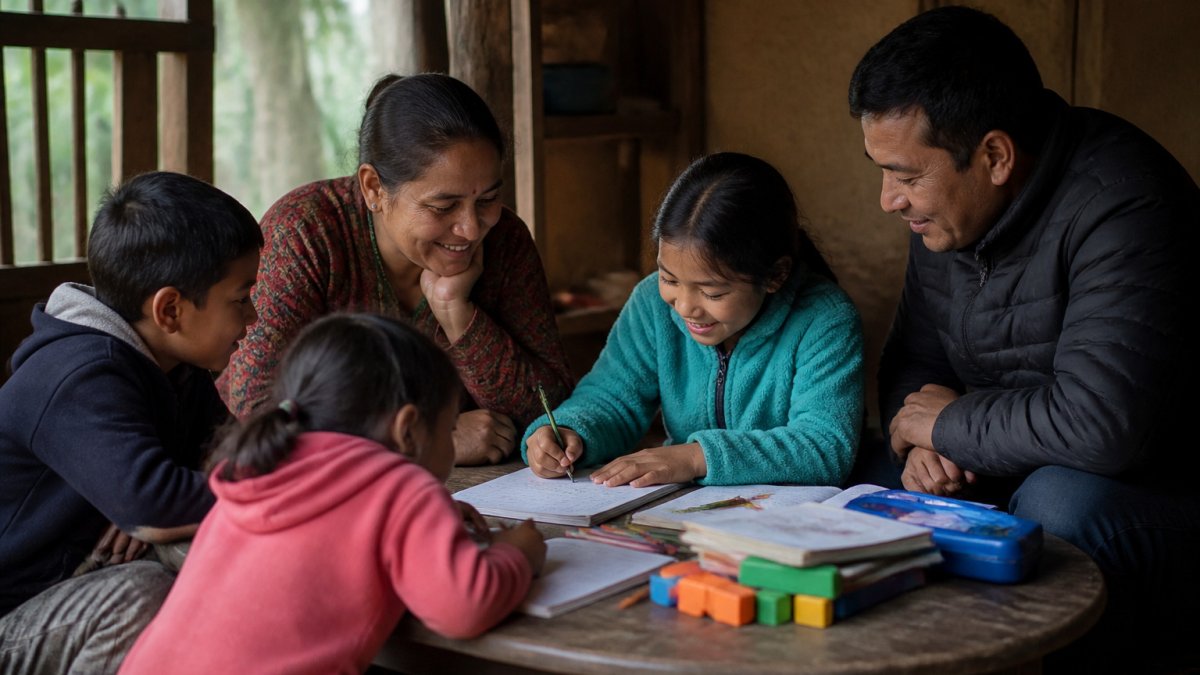
At Rebuild Nepal, we built the Heroic Nepal platform so that these steps happen in real life. You can see how the Heroic Learning platform works in practice for kids and families. The practices covered in this article are carried out by kids and their families on the Heroic Learning platform. Families use short game-based activities together, then talk about what they felt and why.
This guide walks through six steps. Each one is small and practical. Try one step at a time.
- Name feelings out loud every day
- Respond with warmth before you correct
- Stay calm when your child is upset
- Use play to practice emotional skills
Step 1: Name the Emotions Your Child Shows
Naming a feeling gives your child a word for it. Start with simple words like happy, sad, angry, scared, and tired. Say the word when you see the feeling on your child's face or in their body.
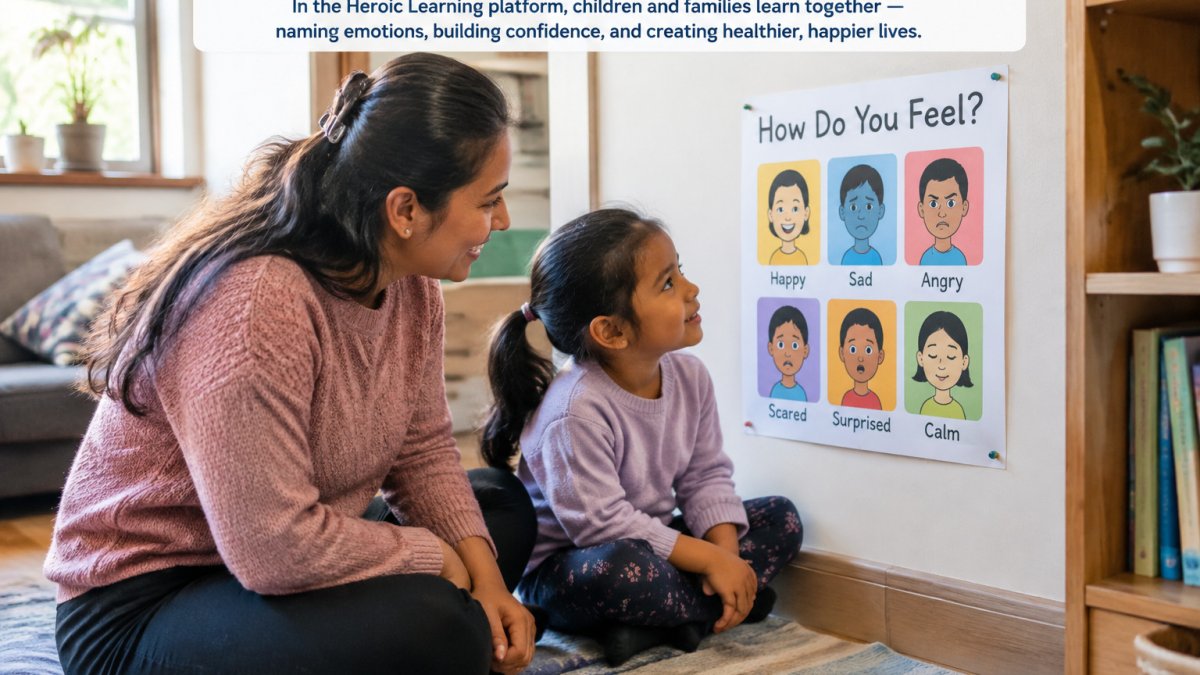
Try phrases like these:
- "You look frustrated that the block fell over."
- "You seem sad that playtime ended."
- "I can see you feel scared of the dark."
Keep it short. You do not need to explain why the feeling happened. Just name it and wait to see how your child responds.
Step 2: Respond to Feelings with Empathy and Warmth
When your child shares a feeling, respond with warmth first. Show that you heard them before you fix anything.
A simple pattern works well:
- Listen without interrupting.
- Reflect the feeling back in your own words.
- Offer comfort, such as a hug or a calm voice.
- Wait before offering advice.
Step 3: Model Calm Behavior and Emotional Regulation
Children learn more from what adults do than from what adults say. When you stay calm under stress, your child sees a model for handling big feelings. This is sometimes called co-regulation: your calm body and steady voice help your child's body settle before they can settle themselves. Over time, repeated moments of co-regulation become the child's own self-regulation.
Helpful habits to show:
- Take three slow breaths before you respond, and let your child see you do it.
- Say out loud what you are doing: "I'm upset, so I'm going to take a break and come back."
- Name your own feeling without blaming anyone: "I feel frustrated because the bus was late. I'll drink some water and then we'll sort it out."
- Come back to the problem after you have calmed down, and say so: "I'm calm now. Let's try again."
- Repair after a slip: "I shouted earlier. That was my feeling getting too big. I'm sorry. Next time I'll take a breath first."
Emotional regulation is the skill of managing a feeling so it does not take over. Children build this skill slowly, through repeated examples. A useful way to picture it is a ladder: first the adult stays calm, then the adult and child calm down together, and only later does the child manage a feeling alone.
What modeling looks like at different ages:
- Infants and toddlers: Your calm voice and steady holding are the model. Narrate what you are doing: "You're upset. I'm here. Let's breathe together."
- Preschoolers: Use short scripts and a visible calm-down corner with a cushion, a book, and a feelings chart. Practice going there when calm, not only when upset.
- School-age children: Talk through your own problem-solving out loud: "I'm annoyed with this bill. I'll write down the three things I can do, then choose one." Invite them to suggest what you could try.
Watch out: Do not tell a child to "calm down" while you are raising your voice or slamming things. Children copy the behavior they see, not the instruction they hear. If you notice this pattern, pick one habit from the list above and practice it for a week before adding another.
Families on the Heroic Learning platform can practice this step together through short game-based activities, with parents, grandparents, and siblings taking part.
The table below summarises what to model at each age, as described in this step.
| Age band | What to model | Example |
|---|---|---|
| Infants and toddlers | Calm voice and steady holding | "You're upset. I'm here. Let's breathe together." |
| Preschoolers | Short scripts and a calm-down corner | Practice going to the cushion and feelings chart when calm |
| School-age children | Talking through your own problem-solving | "I'll write down three things I can do, then choose one." |
Step 4: Handle an Emotional Outburst Without Escalating It
Outbursts are normal. A child who is crying, yelling, or throwing things is overwhelmed, not trying to upset you. Your goal is to help them calm down, not to win an argument.
What to do in the moment:
- Keep your voice low and your body relaxed.
- Make sure everyone is safe.
- Stay close, but give some space if your child needs it.
- Avoid lectures until the storm has passed.
Once your child is calm, talk briefly about what happened and one thing they can try next time.
Watch out: Do not punish a child for having a feeling. Limits on behavior are fine. Shaming the feeling itself teaches children to hide it.
Step 5: Build Emotional Skills Through Play and Everyday Activities
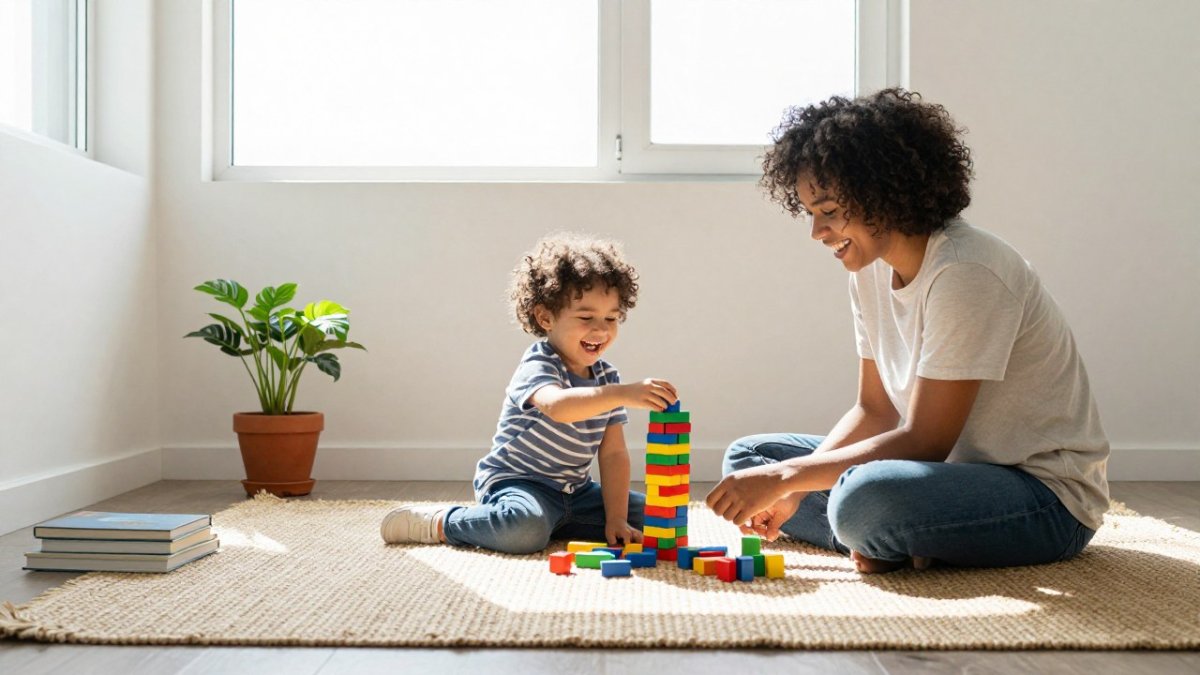
Play is one of the most natural ways children practice emotional skills. Use the activities you already do together.
Ideas for everyday practice:
- Play a feelings guessing game with photos or drawings.
- Read storybooks and ask, "How do you think that character feels?"
- Use puppets to act out a problem and try different solutions.
- Name feelings during bath time, meals, or car rides.
Families on the Heroic Learning platform can also use these kinds of activities, with grandparents and siblings joining in.
Families can explore life skills education through the Heroic Nepal platform.
Step 6: Know the Ages, Milestones, and When to Ask for Help
Emotional skills develop at different speeds. A three-year-old and a ten-year-old need different kinds of support. Look for steady progress over months, not perfect behavior every day. The age bands below are general patterns, not deadlines, and children vary widely within them.
Infants (birth to about 12 months). Emotional development starts with feeling safe. Babies coo, cry, and turn toward a familiar voice. Support looks like responding to cries promptly, holding and rocking, and mirroring expressions: "You're smiling!
Toddlers (about 1 to 3 years). Feelings are big and words are few. Tantrums are normal and are not manipulation (Handling temper tantrums). Support looks like naming the feeling in one or two words, staying close, and keeping routines predictable. Offer simple choices ("Do you want the red cup or the blue cup?") to reduce frustration.
Preschoolers (about 3 to 5 years). Children begin to name feelings and to notice feelings in others. Support looks like reading stories and asking how characters feel, using a feelings chart, and practicing turn-taking in play. Pretend play is where much of this learning happens, so protect time for it.
School-age children (about 6 to 11 years). Children can talk about feelings, but they may hide them to avoid shame.
Signs of progress to look for, without labeling your child:
- Your child uses words for feelings more often, or points to a feelings chart.
- Tantrums get shorter or less frequent over time.
- Your child can accept comfort after a hard moment and return to play.
- Your child starts to notice feelings in others: "She's sad because her tower fell."
- Your child tries a calming strategy you have practiced, even if it does not always work.
When to ask for help. A common pattern is that occasional hard days are normal, but persistent difficulty is worth discussing. Consider talking to a teacher, doctor, or counselor if:
- Big feelings regularly get in the way of school, sleep, eating, or friendships for several weeks.
- Your child seems sad, worried, or angry most days, not just after a hard event.
- Your child hurts themselves or others, or talks about not wanting to be here.
- You feel stuck repeating the same response with no change over a month or more.
- A major change, a move, a loss, a new sibling, a change of school, has made daily life much harder for your child.
You do not need a diagnosis to ask for a conversation. A teacher, doctor, or counselor can help you decide next steps, and asking early is not an overreaction. If you are unsure, start with your child's teacher or your family doctor and describe what you have noticed and for how long.
Families on the Heroic Learning platform can use short game-based activities, with parents, grandparents, and siblings joining in.
Your Next Step: Start a Family Emotional Routine This Week
Pick one step from this guide and try it for the next seven days. To get started, visit the Heroic Nepal start page for the QR code and link. Choose a moment you already share, such as dinner or bedtime, and name one feeling each day.
Ready to get started with the Heroic Nepal platform? Join the cause at Rebuild Nepal and bring these family practices into your home. Heroic Nepal provides game-based life-skills learning that families can use together.
Frequently Asked Questions
How can I support my child's emotional development?
Start by noticing and naming the feelings your child shows, then respond with warmth before trying to solve the problem. Keep your own reactions calm, because children learn how to handle emotions by watching the adults around them. Spend small, regular moments on feelings, such as talking about the day at dinner or reading books about characters who feel angry or scared. Families who practice these steps together can keep the routine going over time. Progress is gradual, so consistency matters more than perfect responses.
What are the signs of healthy emotional development in children?
Children who are developing emotionally usually begin to name simple feelings, show care toward others, and recover from upset with some help. They can usually tolerate small disappointments without falling apart and gradually use words instead of only actions to express what they need. Development follows its own pace, and temperament plays a large part, so compare your child with their own earlier behavior rather than with other children. If you have concerns about a particular pattern that lasts or disrupts daily life, speak with a qualified health or child development professional for an individual assessment.
How can I help my child identify and express their feelings?
Use simple, specific words such as frustrated, worried, proud, or left out, and say them when you see the feeling on your child's face or in their body. Offer two or three feeling words to choose from rather than asking an open question like 'How do you feel?', which can be hard for young children to answer. Drawing, storytelling, and pointing to faces on a feelings card are all useful ways to practice. Families can use these routines during game-based sessions on the Heroic Nepal platform.
What should I do when my child has a big emotional outburst?
First keep yourself calm and stay physically close if your child is safe, since a steady adult helps a distressed child settle. Acknowledge the feeling in a few words, for example 'You are really angry that the game ended,' and avoid lecturing while emotions are high. Once your child is calmer, talk briefly about what happened and what they could try next time. Repair matters too: reconnecting after a hard moment teaches children that big feelings do not end the relationship. Caregivers who feel overwhelmed should also take a pause, as their own regulation shapes how the child responds.