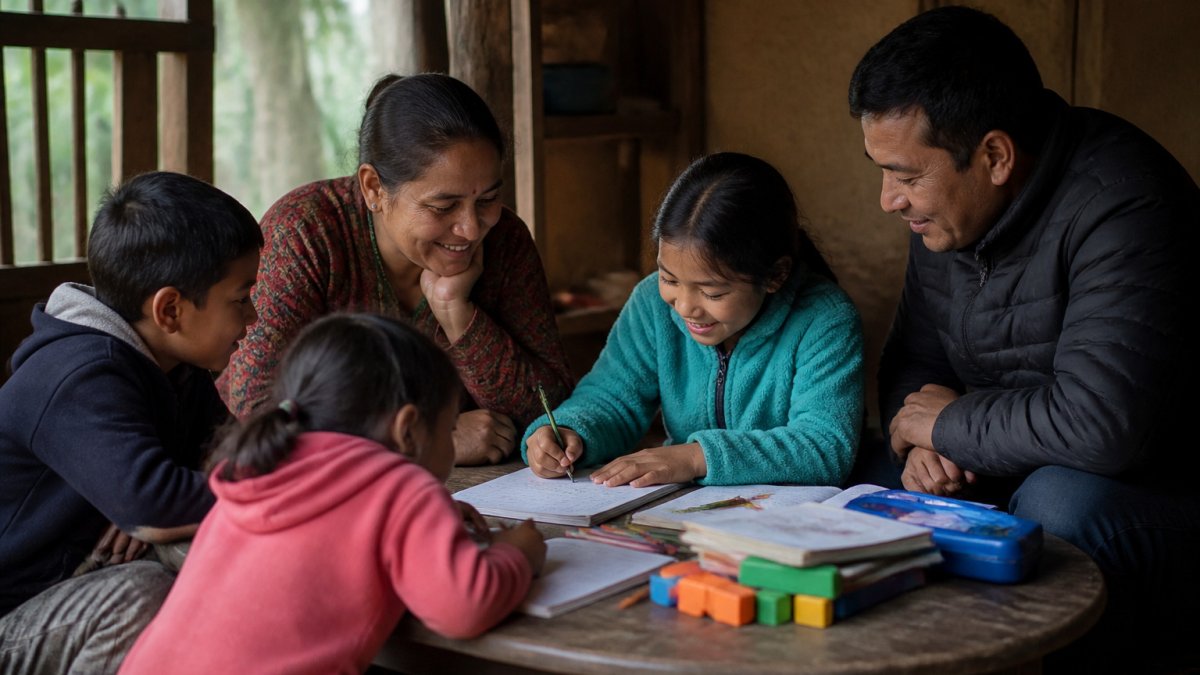
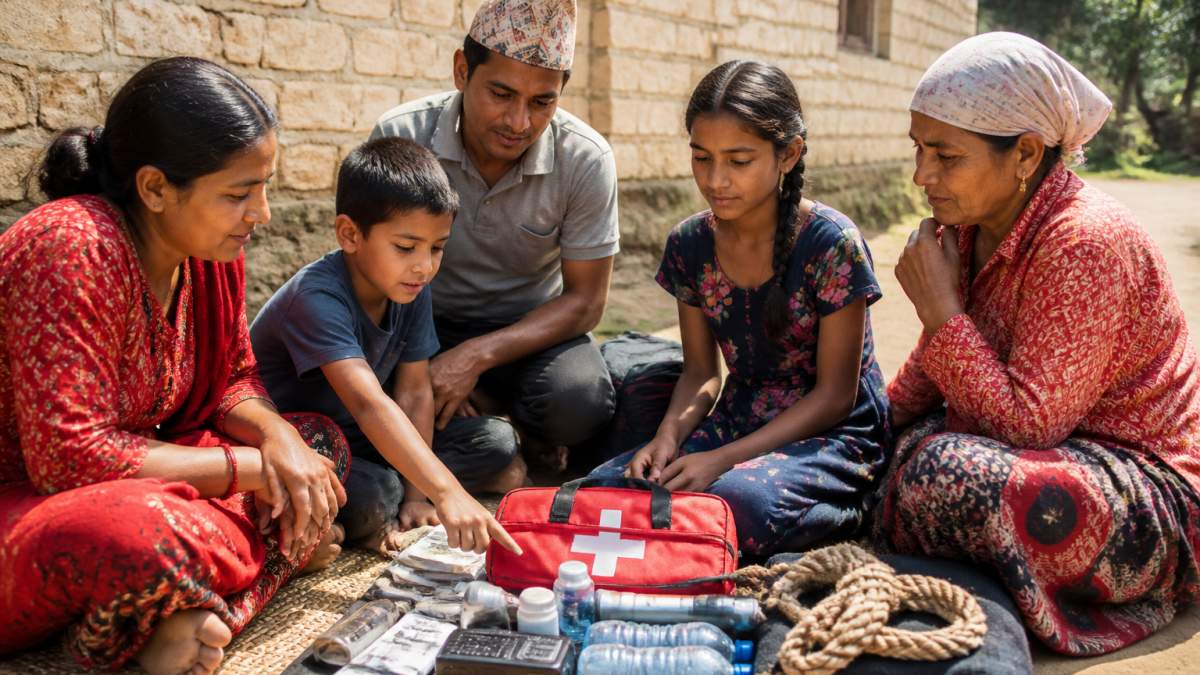
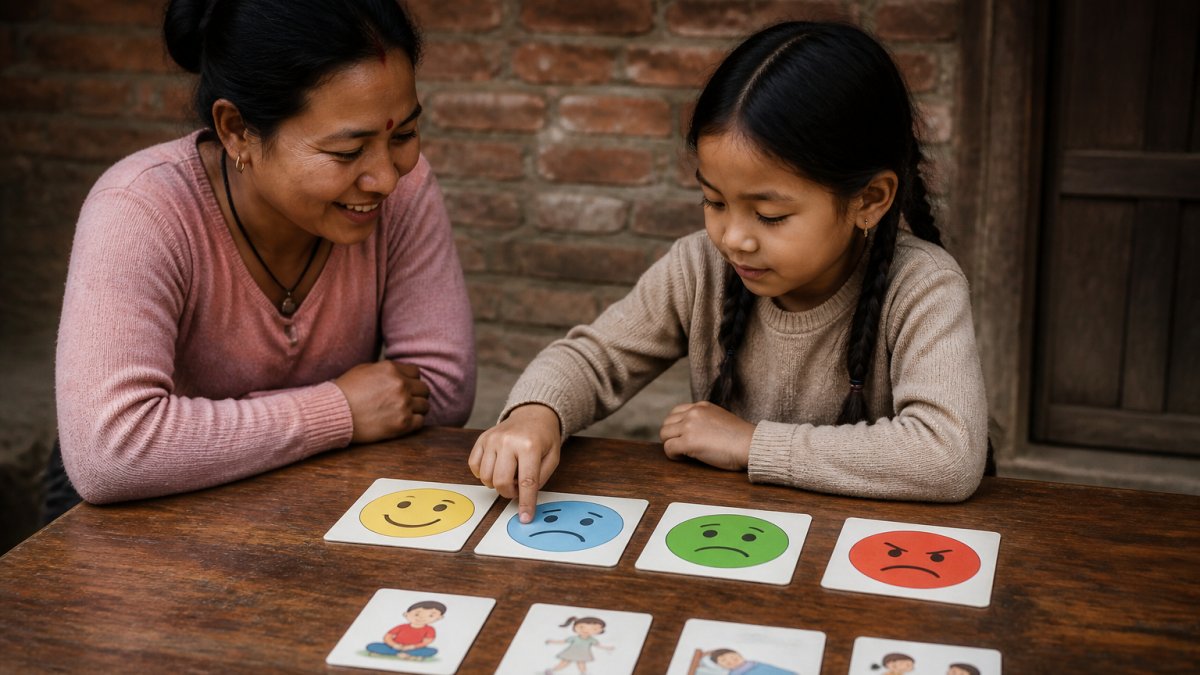
 How-to
How to Teach Emotional Regulation to Children with Heroic Nepal
Table of Contents
- What Emotional Regulation Means and Why It Matters
- Model Calm Behavior and Manage Your Own Emotions
- Emotion Coaching for Parents: Building Emotional Vocabulary
- How to Help a Child Calm Down During Big Emotions
- Calming Strategies for Kids: Breathing, Movement, and Sensory Activities
- Emotional Regulation Activities for Kids You Can Use at Home
- Build Routines, Set Consistent Limits, and Practice Repeatedly
- Measuring Progress and Knowing When to Seek Support
- Frequently Asked Questions
Last Updated: October 12, 2026
What Emotional Regulation Means and Why It Matters
Emotional regulation is the ability to recognize, understand, and manage emotions in healthy ways. Learning how to teach emotional regulation to children means helping them respond thoughtfully rather than reacting impulsively.
Self-regulation and co-regulation work together in childhood development. Self-regulation is when a child manages emotions independently. Co-regulation is when a caring adult helps a child calm down through comfort, guidance, and support.
Emotional development unfolds gradually. Toddlers (1-3) feel big emotions but lack vocabulary to name them. Preschoolers (3-5) begin recognizing emotions in themselves and others.
What we cover, how to teach emotional regulation to children through building emotional vocabulary, practicing calming techniques, and creating supportive routines, is exactly what kids and their families develop through the Heroic Nepal platform.
Understanding self-regulation and co-regulation
Co-regulation is your foundation. When a child is overwhelmed, they cannot access their own coping skills. Your calm presence, soothing voice, and physical comfort activate their parasympathetic nervous system, the body's natural calming mechanism.
Self-regulation develops gradually through practice. A three-year-old needs you present and guiding them. By seven or eight, many children use simple techniques independently. By adolescence, they handle most everyday emotions alone, though they still benefit from support during major stress.
How emotional development unfolds across childhood
Each stage brings new emotional challenges. Toddlers cry intensely over small frustrations because they lack impulse control and vocabulary. Preschoolers use words like "mad" and "sad" but struggle with big transitions.
Understanding these stages helps you respond appropriately. You wouldn't expect a two-year-old to use breathing techniques. You would expect a ten-year-old to name what they're feeling. Tailoring your approach to your child's developmental stage makes emotional coaching more effective.
Model Calm Behavior and Manage Your Own Emotions
Children learn emotional regulation primarily by watching adults handle their own emotions. When you stay calm during frustration, your child learns big feelings are manageable.
This doesn't mean you must be perfect. Be intentional about expressing feelings.
Manage your own stress proactively. When overwhelmed, you have less capacity to support your child's emotions. Build a calming routine, exercise, meditation, time with friends, or creative pursuits, and take breaks when needed.
Emotion Coaching for Parents: Building Emotional Vocabulary
Emotion coaching is the practice of validating feelings, naming emotions, and teaching coping skills. Instead of dismissing a child's feelings ("You're fine, stop crying"), you acknowledge the emotion and help them work through it.
Naming emotions and validating feelings
Start by validating what your child feels. "I see you're really upset" or "That was frustrating for you" tells your child their emotions matter.
Then name the emotion specifically. Use precise words, frustrated, disappointed, anxious, embarrassed, jealous, rather than generic labels. Over time, children learn to identify and name their own feelings, the foundation of emotional regulation.
Use emotion books, pictures, or games to expand vocabulary.
Teaching children to express themselves
Teach children multiple ways to express emotions safely. Some kids respond to talking. Others prefer drawing, writing, building, or moving.
Validate all feelings while setting limits on behavior. "You can feel angry, but you can't hit your brother.
Encourage "I" statements: "I felt left out when you didn't invite me" instead of "You're mean." This helps children take ownership of emotions and communicate effectively.
How to Help a Child Calm Down During Big Emotions
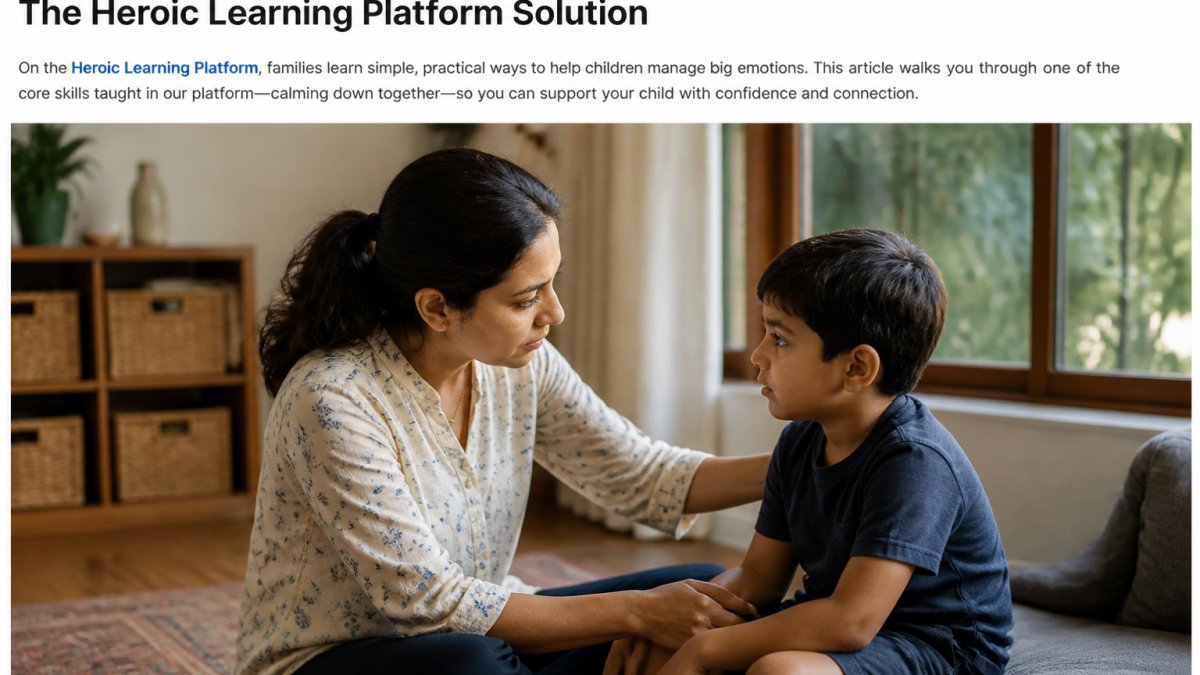
When a child is in distress, your first job is co-regulation, not problem-solving. A child in full emotional overwhelm cannot access reasoning or learning. They need to feel safe and supported first.
Co-regulation and responding with empathy
Get close and lower yourself to your child's eye level. Speak in a calm, quiet voice, your nervous system influences theirs, so staying regulated helps them regulate.
Offer physical comfort if your child accepts it. Some want to be held; others prefer you sitting nearby.
Avoid problem-solving during the emotional peak. Don't say "You shouldn't be upset" or "Let's talk about what happened", these require thinking, which isn't available when a child is flooded with emotion.
Step-by-step response plan for emotional episodes
Step 1: Recognize the signs. Watch for early indicators of escalation, raised voice, clenched fists, rapid breathing, withdrawal.
Step 2: Create safety. Move away from hazards. Reduce stimulation, turn off loud music, dim bright lights.
Step 3: Offer co-regulation. Use your calm voice, gentle touch, or proximity to help their nervous system settle.
Step 4: Once calm, name and validate. "You were really upset. That's okay.
Step 6: Repair and reconnect. Spend positive time together afterward.
Calming Strategies for Kids: Breathing, Movement, and Sensory Activities
Teach your child multiple calming techniques. Different strategies work for different children and different situations. Having options increases the chance they'll find something effective.
Breathing techniques and mindfulness practices
Deep breathing activates the parasympathetic nervous system, the body's natural brake on stress. Teach simple techniques:
- Belly breathing: Place a hand on the belly. Breathe in slowly through the nose, feeling the belly expand. Exhale through the mouth. Do this 5-10 times.
- Counted breathing: Breathe in for 4 counts, hold for 4, exhale for 4. The counting gives the mind something to focus on besides the distressing situation.
- Balloon breathing: Pretend to blow up a balloon slowly as you inhale, then let the air out gradually as you exhale.
Mindfulness for children means noticing what's happening right now without judgment. Simple practices:
- Five senses check-in: Name five things you see, four you can touch, three you hear, two you smell, one you taste. This grounds children in the present moment.
- Body scan: Slowly notice sensations from head to toes. Where do you feel tightness? Where do you feel relaxed?
- Mindful listening: Listen to nature sounds, music, or silence for two minutes without trying to change anything.
Start with 2-3 minute practices during calm moments, and practice regularly so the techniques are familiar when your child needs them under stress.
Movement, sensory activities, and creative outlets
Physical movement releases stress hormones and helps children process emotions:
- Dancing: Put on music and move freely. No rules, no judgment. The rhythm and physical activity both calm the nervous system.
- Running or jumping: High-energy movement burns off stress chemicals. A quick run around the yard or jumping jacks can shift a child's emotional state.
- Yoga or stretching: Child's pose, downward dog, and other gentle poses calm the body. Many yoga moves have calming names: "sleepy cat," "resting butterfly."
Sensory activities engage the senses in calming ways:
- Weighted blankets or pressure: Deep pressure has a calming effect. Weighted blankets, bear hugs, or even just wrapping in a regular blanket can help.
- Fidget tools: Stress balls, textured objects, or fidget spinners give restless hands something to do, which can calm an anxious mind.
- Scent: Lavender, chamomile, or other calming scents can trigger relaxation. Use scented lotion, a sachet, or essential oil diffuser.
Creative outlets channel emotions into expression:
- Drawing or painting: No artistic skill required. The process of creating and choosing colors is inherently calming.
- Building: Blocks, Lego, or other construction toys give children control and creative expression.
- Playing music: Singing, playing an instrument, or even just listening to music processes emotions.
Emotional Regulation Activities for Kids You Can Use at Home
Regular practice of calming strategies builds emotional skills over time. Consistent repetition is how children internalize these tools.
Games, play, and learning through the Heroic Nepal platform
Play-based learning makes emotional skill-building fun and sustainable. Games involving emotion recognition, problem-solving, and social interaction naturally develop emotional regulation. The Heroic Nepal platform uses game mechanics to engage kids and families in these critical life skills, kids earn rewards for practicing calming techniques, naming emotions, and helping family members manage stress, making emotional development feel like an adventure rather than a chore.
Family activities that build emotional skills include:
- Emotion charades: Act out different emotions while family members guess. This builds emotion recognition and vocabulary.
- Feelings check-in: At dinner, each person shares one emotion they felt that day and why. This normalizes emotion talk.
- Problem-solving games: Present scenarios: "Your friend didn't invite you to their party. What could you do?" Brainstorm solutions together.
Emotion books, drawing, journaling, and music
Emotion-focused books help children see their feelings reflected in characters and show that all feelings are normal and temporary.
Drawing creates a safe outlet for emotions kids can't yet express in words. Keep art supplies accessible.
Journaling works for older children who can write. Encourage free writing without rules: "Write or draw whatever you're feeling.
Music engages emotion directly. Sing together, listen to different types of music, or create simple instruments.
Build Routines, Set Consistent Limits, and Practice Repeatedly
Predictability and consistency are foundational for emotional regulation.
Build daily routines that include calming practices.
Set consistent limits with empathy. "You can feel angry, but you can't hit.
Practice calming strategies regularly during calm moments. Don't wait for crisis to introduce breathing techniques or movement breaks.
Repetition builds neural pathways, it takes dozens of repetitions for a new skill to become automatic.
Measuring Progress and Knowing When to Seek Support
Progress in emotional regulation looks like gradual improvement, not perfection.
Track patterns over weeks and months. Are episodes fewer, shorter, and recovery faster? Is your child using coping strategies more independently? These are signs of genuine progress.
Some children benefit from professional support. Consider a child therapist or counselor if:
- Your child's emotions are significantly interfering with daily life or relationships
- Emotional episodes are becoming more frequent or intense despite your efforts
- Your child shows signs of anxiety, depression, or trauma
Professional support isn't failure, it's additional tools for your toolbox. Many children benefit from therapy alongside family-based strategies.
Emotional regulation is a lifelong skill.
Teaching emotional regulation is one of the most powerful investments you can make in your child's future. The Heroic Nepal platform brings these emotional skills to life through game-based learning that engages kids and families together, building emotional intelligence, family connection, and resilience.
Frequently Asked Questions
How do you teach a child emotional regulation?
Teach emotional regulation by combining three core practices: model calm behavior yourself, help your child name their emotions using simple words, and teach them coping strategies like deep breathing or movement. Start with co-regulation, where you stay calm and present while they experience big emotions, then gradually guide them toward managing emotions independently. The Heroic Nepal platform makes this interactive through game-based activities that families practice together, turning skill-building into engaging family learning moments.
What are the first signs that a child is learning to regulate emotions?
Early signs include pausing before reacting, using words to describe feelings instead of only acting out, seeking comfort from a trusted adult, and attempting calming strategies you've taught them like taking deep breaths. Children may also show increased ability to transition between activities, tolerate small frustrations without escalating, and recover more quickly from upsets. Progress is gradual and non-linear; celebrate small wins like a child naming their anger or trying a breathing technique, even if they don't use it perfectly every time.
What emotional regulation activities for kids actually work at home?
Effective activities include guided breathing exercises, movement breaks like dancing or stretching, drawing or journaling to express feelings, reading emotion-focused picture books, and playing calming music. Sensory activities such as playing with clay, building with blocks, or using stress balls also help. The Heroic Nepal platform combines these evidence-based strategies into game-based learning that families do together, making practice feel natural rather than like a chore. Consistency matters more than intensity; short daily practice builds lasting skills.
How can I help my child calm down when they're having a meltdown?
Stay calm yourself, validate their feelings with phrases like 'I see you're upset,' and offer physical comfort if they're receptive. Use co-regulation by breathing slowly near them or sitting quietly nearby. Once they're slightly calmer, guide them toward a coping strategy: deep breathing, movement, or a sensory activity. Avoid reasoning or consequences during the height of distress. After they've recovered, you can discuss what happened and practice the strategy again when emotions are neutral, reinforcing learning for future situations.