 Listicle
Can Heroic Nepal Replace Traditional Life Skills Lessons?
Quick Summary
Heroic Nepal offers an alternative to traditional life skills lessons by having kids and their families work through life skills together on the Heroic Learning platform. Its approach pairs practice at home with expert guidance, so skills are used in daily life rather than only discussed in class.
- Classroom life skills lessons often stay theoretical, while hands-on practice builds real competence.
- Families can practise budgeting, cooking, and planning through everyday household routines.
- Game-based activities work best when followed by a short debrief linking the choice to real life.
- Heroic Nepal's family triad involves parents, grandparents, and siblings alongside subject matter experts.
- Track progress with a simple weekly log of tasks completed independently, and limit screen time.
Table of Contents
- Why Families Look Beyond Classroom Life Skills Lessons
- Hands-On Life Skills Activities for Students at Home and School
- Teaching Life Skills at Home Through Everyday Routines
- Game-Based Learning for Life Skills: How Play Builds Habits
- How Heroic Nepal's Family Triad Delivers Life Skills Learning
- Life Skills Lesson Plans for Teachers Who Want Alternatives
- Starting Your Family's Life Skills Journey With Heroic Nepal
- Frequently Asked Questions
Can Heroic Nepal Replace Traditional Life Skills Lessons?
Last Updated: November 4, 2026
Why Families Look Beyond Classroom Life Skills Lessons
Many Nepali families want their children to learn practical life skills, but classroom lessons often stay theoretical. Heroic Nepal offers a different route: at Heroic Nepal, the kids and their families work through life skills together on the Heroic Learning platform. Rebuild Nepal publishes this guide to help parents decide whether that approach can stand in for, or work alongside, traditional lessons.
A classroom life skills lesson often covers communication, budgeting, or personal health as a topic to discuss. The student hears about these skills but rarely practices them in the setting where they matter. Academic education, by contrast, tends to measure knowledge through tests and grades, which can leave daily competence unmeasured.
Families who look beyond the classroom usually want three things: skills practiced at home, activities children enjoy, and a clear picture of progress. For a direct comparison of life skills education versus academic education, the sections below show where each falls short of those needs. The sections below compare alternatives against those needs.
Hands-On Life Skills Activities for Students at Home and School
Hands-on activities let students practice a skill before they are asked to explain it. A child who measures ingredients for a meal learns more about planning and numbers than one who reads about them.
Useful activities include:
- Cooking a simple meal with a family member, including shopping and cleaning up
- Keeping a household budget for a small weekly amount, with the child recording spending
- Planning a family trip that involves timetables, costs, and packing lists
- Repairing a small household item with supervision, such as a loose chair leg
These activities work at school too. Teachers can set up a class shop, a small garden, or a group project that needs decisions about time and money. The key is that the student does the task, not only hears about it.
Teaching Life Skills at Home Through Everyday Routines
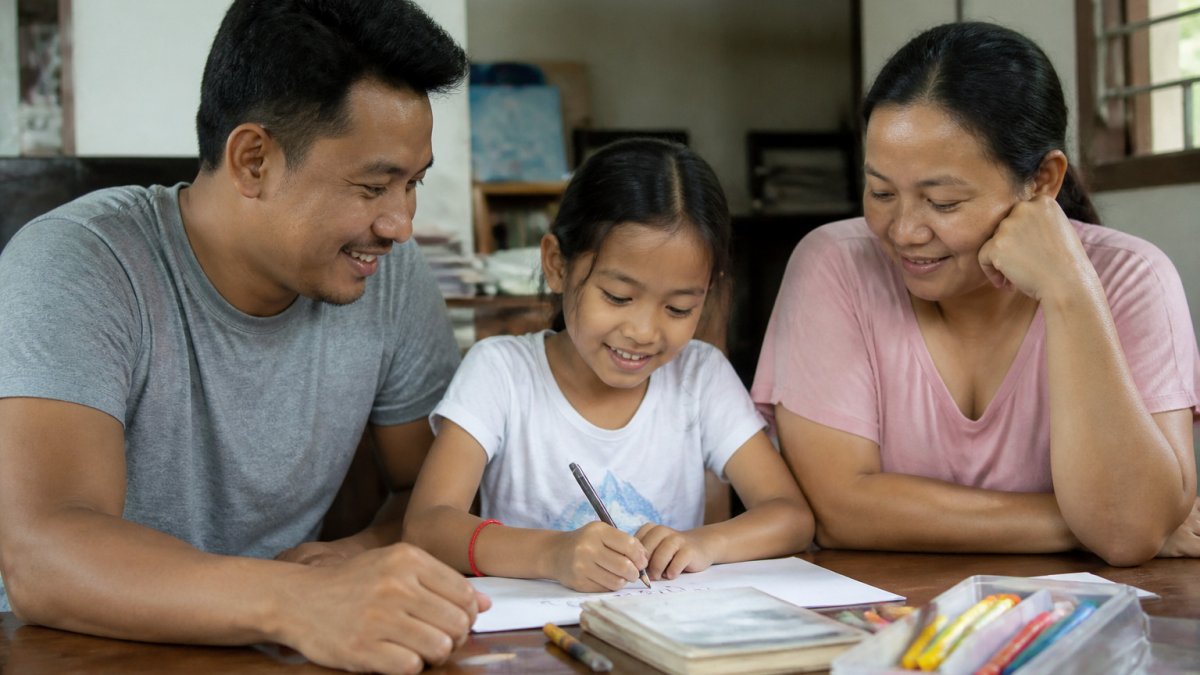
Daily routines give families a steady way to build habits. Morning preparation, homework scheduling, and shared chores all teach responsibility without a separate lesson.
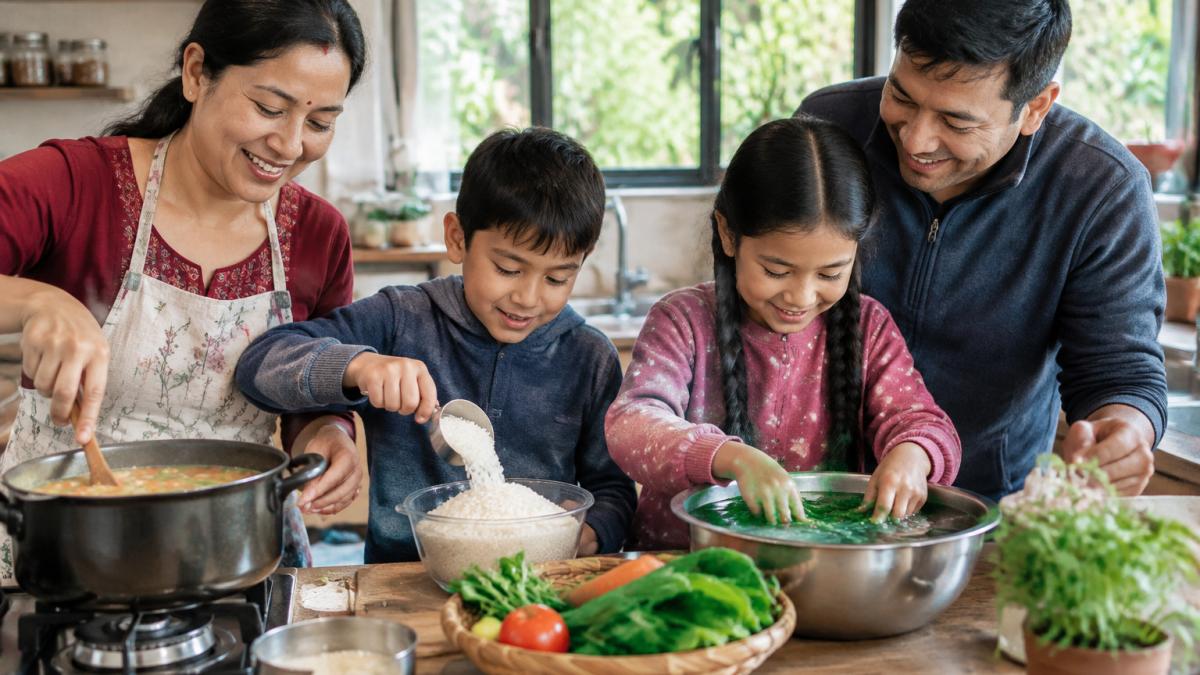
Start with one routine at a time. A child who packs their own school bag each evening for two weeks is building a habit that carries into other tasks. Parents can then add a second routine, such as setting the dinner table or tracking a weekly savings goal.
Watch out: routines fail when parents do the task for the child "just this once." Let the child finish the job, even when the result is imperfect, and correct it together afterward.
Game-Based Learning for Life Skills: How Play Builds Habits
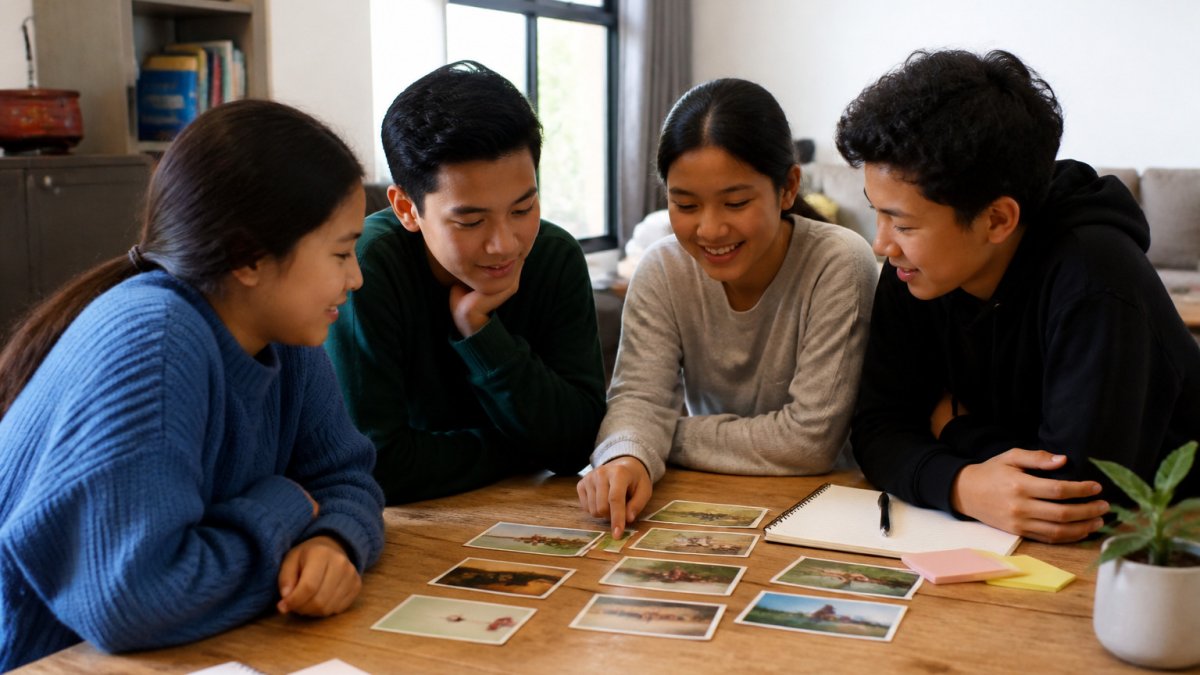
Games give children a low-pressure way to make decisions and face consequences. A simple board game about buying goods with limited money teaches budgeting more naturally than a worksheet, because the child feels the cost of a bad choice immediately and can try again without real-world loss.
Game-based approaches work best when they connect to real life. After a game ends, ask the child what they would do differently at home or at school. This short conversation turns play into a lesson they can apply. A short three-question debrief works well: What choice did you make? What happened because of it? What would you change next time?
The Digital-Age Gap Most Guides Ignore
Most life skills content stops at cooking, budgeting, and chores. That leaves out the skills children now need every day: judging whether an online offer is real, protecting personal information, recognising a scam message, and understanding how AI tools shape the answers they receive. These are life skills in the same sense as budgeting, they involve decisions, consequences, and practice.
Families can build them through play rather than lectures:
- Scam-spotting rounds. Show the child three messages, one genuine, two with common warning signs such as urgency, unusual payment requests, or mismatched sender details, and ask them to rank which is safest and explain why.
- A privacy budget. Give the child a fixed number of 'personal details' they may share in a mock sign-up form, and let them decide which fields to leave blank.
- AI answer checks. Ask an AI tool a question together, then verify one claim against a second source. The habit of checking is the skill.
- A screen-time trade. Let the child plan a week of screen use against offline tasks, then review what actually happened.
Making Play Measurable
Play only counts as learning when someone notices the change. Keep a short log with three columns: the skill, the date it was practised, and whether the child needed help. Review it weekly and look for a drop in prompts rather than a jump in scores. A child who spots a scam message unprompted, or who checks a claim without being asked, has shown mastery that no worksheet captures.
Digital games can add value, but they should not replace face-to-face interaction. Families who use screen-based learning should set clear limits on time and pair the activity with a discussion or a real task. The test is simple: if the session ends and nothing carries into the household, it was entertainment, not practice.
Watch out: a game that rewards speed over reasoning teaches children to guess. Choose activities where a wrong choice is discussed, not just penalised.
How Heroic Nepal's Family Triad Delivers Life Skills Learning
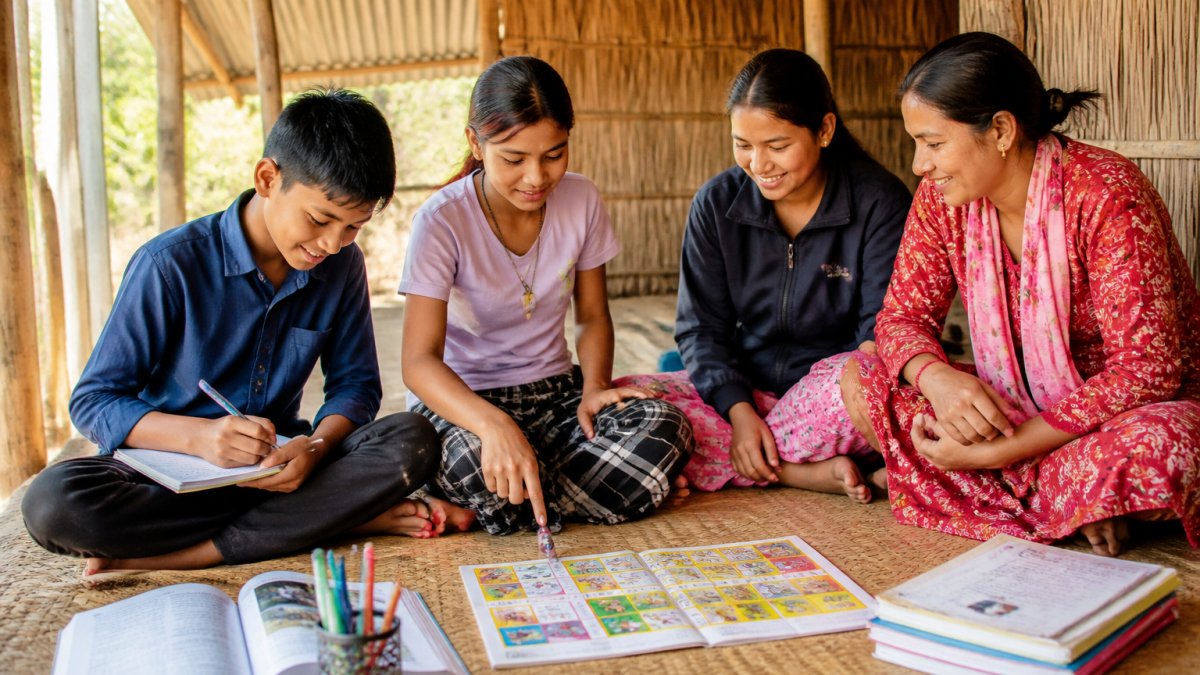
Heroic Nepal's approach is built around a family triad. Parents, grandparents, and siblings take part alongside subject matter experts, so learning happens in the home as well as on a screen. See how families take part in the program. The kids and their families work through the Heroic Learning platform together, which keeps the adults involved rather than handing the activity to a device.
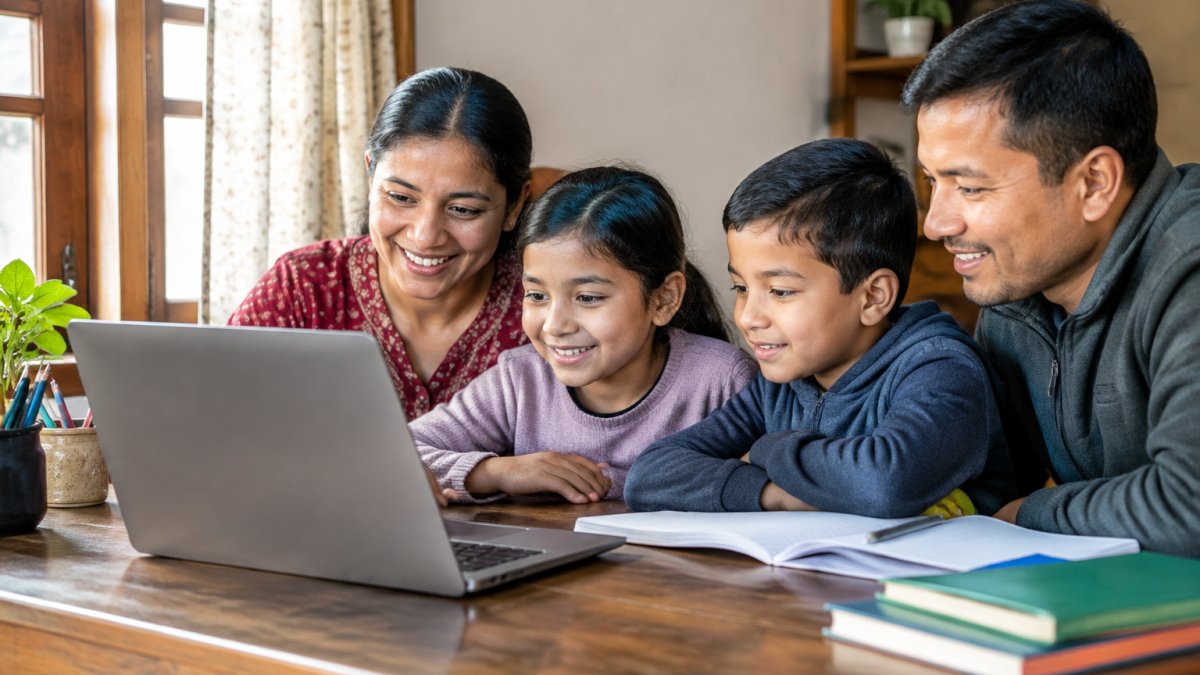
The platform is AI-driven and game-based, and it combines hi-tech tools with a hi-touch method in which family members take part in each activity. You can read a detailed description of the Heroic Learning platform and how it works for families. Heroic Nepal also offers a tokenization model that gives both donors and learners ownership in the program.
Heroic Nepal does not replace every classroom lesson. Its approach connects practice at home with expert guidance.
Measuring Progress and Keeping Screen Time in Check
Parents often ask how to tell whether life skills learning is working. Keep a simple log of tasks the child completes without help, and review it each week. Look for steady change, such as fewer reminders or longer independent work, rather than a single score.
Screen time needs the same attention. Set a fixed daily limit for platform use, and schedule at least one offline activity for every online session. This keeps the learning tied to real tasks.
Life Skills Lesson Plans for Teachers Who Want Alternatives
Teachers who want to move beyond lectures can build short lesson plans around one practical task. A typical plan has four parts: a clear goal, a hands-on task, a group reflection, and one action the student takes at home.
For example, a lesson on budgeting could ask groups to plan a class picnic with a fixed amount of money. Groups present their plans, explain their trade-offs, and then each student tracks one household purchase that week.
Teachers can share these plans with parents so the learning continues at home. Clear instructions and a single weekly goal make participation easier for busy families.
Starting Your Family's Life Skills Journey With Heroic Nepal
Begin with one routine and one activity. If you have questions before enrolling, you can contact the Heroic Nepal team directly. Choose a task your child can complete within a week, such as preparing a simple meal, and involve at least one other family member. Then add the Heroic Learning platform as a guided activity rather than a replacement for the routine.
To get started, visit the Heroic Nepal website and join the cause. Follow the steps to get started, including the join link and QR code. Visit the Heroic Nepal website to learn how to join the program.
Frequently Asked Questions
What are alternatives to traditional life skills lessons?
Alternatives include hands-on family activities, everyday household routines, game-based learning and community-led sessions. Heroic Nepal offers one such approach: children and their families learn together on the Heroic Learning platform, using game-based activities. Because the learning happens in daily life rather than in a separate lesson, families can build skills without adding extra school hours to a child's week.
How can families teach life skills at home?
Start with tasks the family already does: cooking, shopping, paying bills and caring for younger siblings. Ask the child to plan one task from start to finish, then talk through what went well. Heroic Nepal's platform involves children and family members working through activities together.
How can games help children practise life skills?
Games let children try decisions, make mistakes and see outcomes without real-world cost. A budgeting game, for example, shows what happens when money runs out before the month ends. Heroic Nepal's game-based approach is used by children and their families on the Heroic Learning platform.
Which life skills should children learn first?
Begin with self-care and simple responsibility: personal hygiene, preparing a small meal, keeping a space tidy and communicating needs clearly. Next come money basics such as saving and comparing prices, and problem-solving skills such as planning a route or handling a disagreement.