 Comparison
Special Education Life Skills Curriculum with Heroic Nepal
Table of Contents
- What Is Special Education Life Skills Curriculum?
- Life Skills Activities for Special Education Students
- Life Skills Lesson Plans for Special Education
- Life Skills Assessment for Students with Disabilities
- Independent Living Skills Curriculum Essentials
- How Heroic Nepal Supports Life Skills Development
- Implementing Life Skills Curriculum Effectively
- Frequently Asked Questions
Last Updated: October 16, 2026
What Is Special Education Life Skills Curriculum?
A special education life skills curriculum is a structured program that teaches students with disabilities the practical competencies for daily living, work, and community participation. Unlike academic curricula focused on reading, math, and science, it targets functional independence: personal care, household tasks, social interactions, and vocational responsibilities with minimal support.
Many students receiving special education services benefit more from learning to cook a meal, manage money, or navigate public transportation than from advanced algebra. The curriculum emphasizes generalization: applying skills learned in one setting to real-world environments like home, community, and workplace.
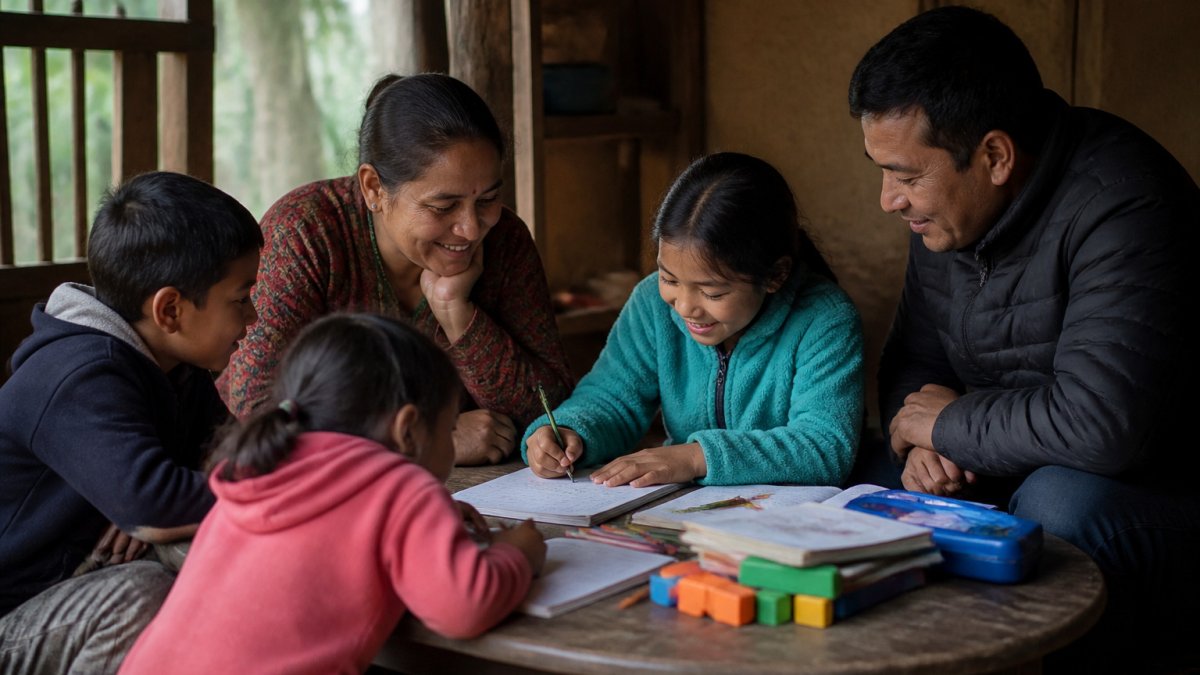
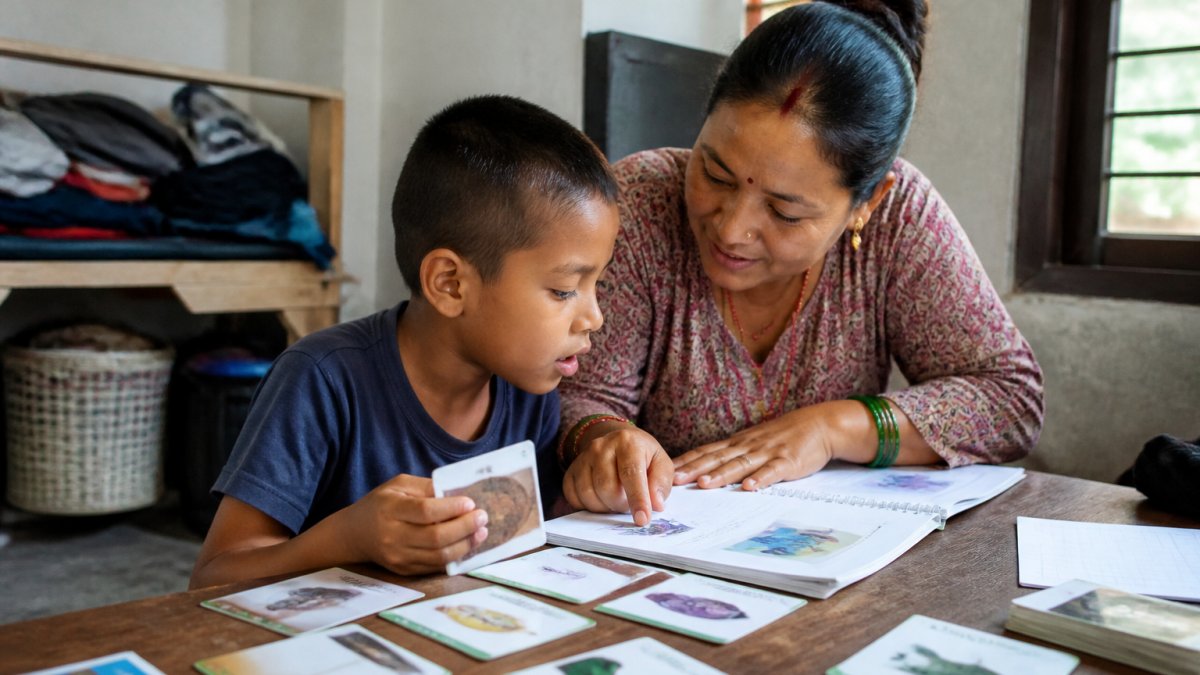
At Rebuild Nepal, we see life skills development as foundational to family success and economic mobility. Through the Heroic Learning platform, kids and their families in Nepal engage with game-based life skills instruction covering daily living, social communication, vocational readiness, and family preparedness, turning abstract skill-building into measurable progress toward independence.
Life Skills Activities for Special Education Students
Effective life skills activities are hands-on, repetitive, and tied directly to the real-world contexts where students will use these skills.
Daily Living and Functional Independence
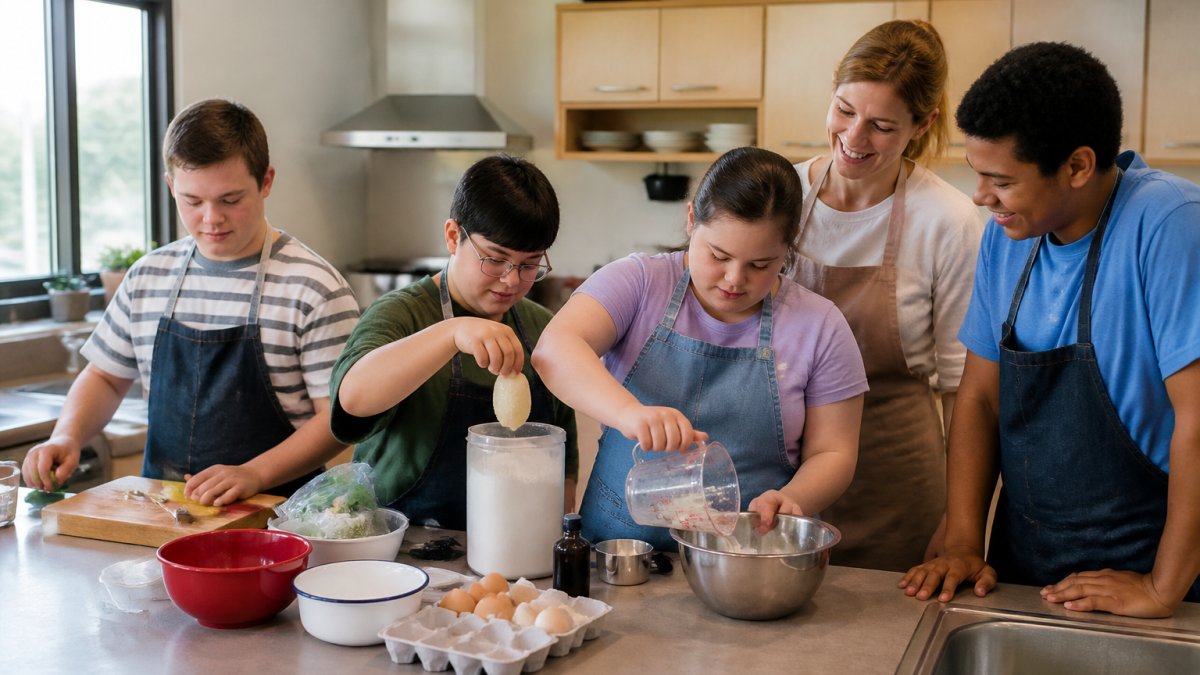
Daily living skills form the foundation of independent functioning: personal hygiene, meal preparation, laundry, cleaning, and household management. Instruction here teaches students to care for themselves and maintain safe, sanitary living environments.
Practical activities might include a mock kitchen where students follow recipes, measure ingredients, and use appliances safely, or a simulated apartment for sorting laundry, folding clothes, and organizing living spaces.
The key is embedding instruction in authentic contexts: washing dishes at a real sink beats a worksheet about dishwashing steps. Repetition across school, home, and community settings helps students generalize skills rather than memorize isolated procedures.
Social Communication and Emotional Regulation
Social communication skills enable students to interact appropriately with peers, adults, and community members: conversation, turn-taking, reading facial expressions and tone of voice, asking for help, and responding to social cues.
Activities often use role-play: ordering food at a restaurant, asking a peer to join an activity, or responding calmly when disappointed. Video modeling helps students see expected responses before practicing them, while structured games and guided social scripts build confidence in low-stakes settings.
Explicit instruction in recognizing emotions helps too. Emotion charts, discussing feelings during calm moments, and practicing coping strategies like deep breathing or asking for support equip students for challenging situations.
Community Access and Safety Awareness
Community access skills prepare students for shopping, public transportation, community services, and recreation. Safety awareness, traffic rules, recognizing dangerous situations, responding to emergencies, protects students as they move through the world with minimal supervision.
Field trips to local stores let students identify items on a shopping list, compare prices, and make purchases. Community-based instruction beats classroom simulations because students learn in the actual environments where they'll apply skills; pedestrian safety practiced on real streets builds genuine competence.
Teaching students to respond appropriately to strangers, understand personal safety, and speak up when uncomfortable is critical. Many curricula cover body autonomy, appropriate and inappropriate touch, and trusted adults to turn to for help.
Life Skills Lesson Plans for Special Education
Well-designed lesson plans translate curriculum goals into actionable instruction: what students will learn, how it will be taught and measured, and how skills will be reinforced across settings.
Designing Lessons Around Real-World Tasks
The most effective lessons anchor instruction to authentic tasks.
Backward design starts with the real-world outcome, then identifies prerequisite skills. A lesson on "Sweep the kitchen floor" breaks into holding the broom, directional sweeping, recognizing when the floor is clean, and putting the broom away safely, each a teaching point with built-in practice and feedback.
Lessons should include clear objectives, materials, step-by-step procedures, and data collection methods. Task analysis, breaking tasks into small sequential steps, makes complex skills manageable: a student learning to make a sandwich masters gathering ingredients, placing bread on a plate, spreading filling, and adding the second slice before the full task emerges.
Generalization and Home-School Collaboration
A critical challenge in special education is generalization: students often learn a skill in one setting but fail to apply it elsewhere, like setting the table perfectly in class but not recognizing the same task at home. Deliberate generalization strategies prevent this disconnect.
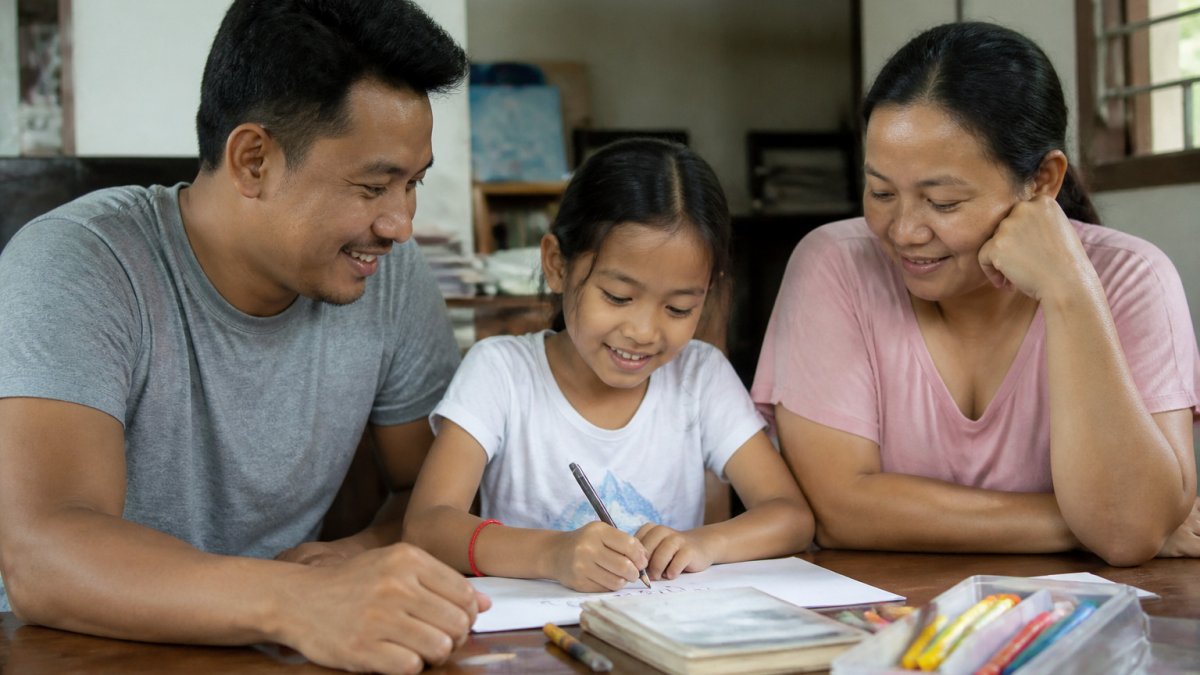
Teaching the same skill across school, home, and community with different people and materials strengthens generalization. Parents and caregivers are essential partners: when families understand the skills their child is learning and practice them at home with real materials, learning accelerates naturally.
Regular communication between teachers and families creates alignment. Some schools send simple activity guides: "This week, your child is learning to tie shoes. Practice during morning routines.
Life Skills Assessment for Students with Disabilities
Life skills assessment differs from traditional academic testing. Rather than paper-and-pencil tests, it observes students performing actual tasks in real or simulated environments. The question isn't "Does the student know about cooking?" but "Can the student prepare a simple meal independently?"
Functional behavior assessments identify current skills and gaps by observing students in natural settings, cafeteria, hallway, community.
Data collection varies by skill: for discrete tasks like tying shoes, teachers record whether each step is completed independently or with prompting; for ongoing skills like social interaction, they use rating scales or frequency counts.
Criterion-referenced assessment, comparing performance to a specific standard rather than to peers, is standard.
Independent Living Skills Curriculum Essentials
An independent living skills curriculum prepares students for life after secondary school, covering personal care, household and money management, community access, employment, and social relationships.
Vocational Training and Occupational Skills
Vocational instruction prepares students for paid work or meaningful volunteer roles: job-specific skills (operating equipment, following procedures, meeting quality standards), workplace behaviors (punctuality, following directions, working safely), and job-seeking skills (applications, interviews, understanding pay and benefits).
Work-based learning, internships, apprenticeships, or part-time jobs in real community settings, beats classroom simulations. Students learn genuine work skills, build a work history, and develop relationships with supervisors. Many students with intellectual disabilities benefit from supported employment, where a job coach provides intensive support that gradually fades as competence grows.
Occupational skills extend beyond traditional employment: for some students, meaningful daytime activities include volunteering, community programs, or hobbies. The goal is purposeful engagement that contributes to the community and provides satisfaction.
Self-Advocacy and Growth Mindset Development
Self-advocacy, communicating one's needs, preferences, and rights, is foundational to independence. Students learn to request help, decline unwanted tasks, make choices, and understand their rights. Instruction might use role-play: "How do you tell a coworker you don't understand an instruction?" or "How do you ask for a break when frustrated?"
Growth mindset, the belief that abilities develop through effort, helps students persist. Instruction emphasizes that skills improve with practice and mistakes are learning opportunities. Teachers model this language: "That was hard. Let's try a different way" rather than "You can't do that."
How Heroic Nepal Supports Life Skills Development
Rebuild Nepal's Heroic Learning platform transforms life skills instruction through game-based engagement and family involvement, weaving skill development into the family routines and community contexts where these skills matter most.
Game-Based Learning and Family Engagement
The Heroic Learning platform uses game mechanics, points, levels, challenges, progress tracking, to make life skills practice engaging. A student might earn points for household tasks, social interactions, or preparing simple meals, while families track progress together, celebrate milestones, and reinforce skills across home and community.
This addresses a critical challenge in life skills instruction: motivation and sustained practice. Unlike worksheets, game-based systems provide immediate feedback, visible progress, and intrinsic motivation as students unlock new challenges and see their progress accumulate.
The family engagement model treats parents, grandparents, and siblings as essential partners. Families receive guidance on embedding skill practice into daily routines, cooking together, managing household responsibilities, practicing social skills at gatherings, so learning feels natural rather than artificial.
Disaster Preparedness and Family Readiness
A distinctive feature of the Heroic Learning platform is its integration of disaster preparedness and family readiness. Families in Nepal practice emergency response, evacuation procedures, basic first aid, and communication protocols through game-based scenarios directly applicable to real threats they face.
Practicing disaster preparedness as a family builds student confidence in emergencies while strengthening family bonds and coordination. Families create emergency plans, identify safe meeting places, and practice communication methods, preparation that translates directly to safety and resilience when real emergencies occur.
The platform aligns life skills development with family preparedness, recognizing that economic and social strengthening depends on family cohesion and readiness to face challenges together, not just individual competence.
Implementing Life Skills Curriculum Effectively
Successful implementation requires clear planning, ongoing data collection, and willingness to adjust instruction based on student progress.
Data Collection and Progress Monitoring
Regular data collection drives effective instruction. Teachers should track each student's performance on targeted skills at least weekly: percentage of task steps completed independently, prompts needed, errors made, or response latency.
Graphing data weekly makes trends visible. Consistent progress means current instruction is working, continue and increase difficulty. A plateau signals adjustment: smaller steps, different prompting strategies, more practice, or addressing barriers like fatigue, anxiety, or distraction.
Progress monitoring also documents growth for IEP meetings and family communication. Rather than subjective impressions, data provides concrete evidence: "Over the past month, he independently completed 3 steps of the morning routine, up from 1." This strengthens accountability and helps families understand their child's development.
Overcoming Common Implementation Challenges
Time constraints are real, but prioritization helps.
Community-based instruction requires planning, but the payoff justifies it. Even occasional field trips to local stores, restaurants, or community centers dramatically improve generalization compared to classroom-only instruction.
Family engagement increases when schools make participation easy.
Staff training in special education methodology, task analysis, prompting strategies, data collection, positive behavior support, strengthens implementation quality.
Implementing a meaningful special education life skills curriculum requires intentional design, authentic practice, and genuine school-family partnership.
Rebuild Nepal's Heroic Learning platform shows how life skills instruction can move beyond isolated classroom activities into family life and community contexts.
Frequently Asked Questions
What is a life skills class in special education?
A life skills class in special education teaches students with disabilities the practical abilities needed for daily living, work, and community participation. These classes focus on functional independence, including household management, personal hygiene, social communication, vocational training, and safety awareness. The goal is to build adaptive behavior and self-management skills that help students transition to more independent living as they mature. In Heroic Nepal's game-based learning platform, families and learners work together to develop these competencies through engaging, interactive activities.
How do life skills lesson plans for special education differ from general education?
Life skills lesson plans for special education are tailored to individual student needs and IEP goals, focusing on functional, real-world application rather than academic content. They emphasize generalization, the ability to apply learned skills across different settings and situations, and often involve community-based instruction and hands-on practice. Lessons are designed to be concrete and age-appropriate, with frequent repetition and data collection to monitor progress. Family involvement and collaboration with mentors and subject-matter experts are central to success, as demonstrated in Heroic Nepal's hi-touch methodology.
What should a life skills assessment for students with disabilities measure?
A life skills assessment for students with disabilities should measure functional independence across key domains: daily living skills, social communication, emotional regulation, occupational abilities, and community safety awareness. Assessments typically use direct observation, performance-based tasks, and family input to determine current levels and identify IEP goals. Progress monitoring through data collection tracks improvements over time. Heroic Nepal's platform incorporates assessment principles by helping families track their children's development in life skills through game-based activities and family feedback.
Why is independent living skills curriculum important for transition planning?
An independent living skills curriculum is essential for transition planning because it prepares students with disabilities for post-secondary life, including employment, residential options, and community participation. It addresses vocational training, self-advocacy, personal management, and adaptive behavior, all critical for success beyond school. By building these competencies early and consistently, students develop the confidence and capability to make decisions, solve problems, and manage daily responsibilities. Heroic Nepal's approach strengthens this preparation by engaging entire families in the learning process, creating a support network that extends beyond the classroom.