 How-to
Heroic Nepal Shows How to Teach Life Skills at Home
Last Updated: November 15, 2026
Quick Summary
Teach life skills at home through short daily routines, play-based activities and a three-stage sequence: model the task, practise together, then let the child work alone. Match tasks to age, and move up only when the child is ready. Families on the Heroic Learning platform from Heroic Nepal follow this approach.
- Ages 3 to 5 focus on self-care, such as washing hands and putting toys away.
- Ages 6 to 8 build small routines like making the bed and packing a school bag.
- Move a child up a level once they finish tasks without repeated reminders.
- Teach responsibility by picking one task and defining what done looks like.
- Praise the effort and process rather than the result to keep children trying.
Table of Contents
- Why Life Skills at Home Matter, and How Heroic Nepal Families Practise Them
- Life Skills to Teach Children by Age
- Life Skills Activities for Kids at Home
- How to Teach Kids Responsibility at Home, Step by Step
- Teaching Sequence: Modelling, Guided Practice, Then Independence
- Adapting Life Skills Practice for Children with Disabilities
- Life Skills Checklist for Kids and a Practice Plan for Busy Households
- Frequently Asked Questions
Why Life Skills at Home Matter, and How Heroic Nepal Families Practise Them
Life skills are the everyday abilities that help a child cope with the world: cooking a simple meal, handling money, solving a problem, speaking politely to an adult. At Rebuild Nepal, we believe these skills are best built at home, where practice happens every day. The approach described here is the one used by the kids and their families on the Heroic Learning platform from Heroic Nepal, where children learn through games while parents, grandparents, siblings and experts guide them. You can see how the Heroic Learning platform works in detail on its own page. For a broader comparison of life skills and academic education, read our detailed guide to life skills versus academic education.
Good life skills give children confidence and independence. They also prepare families to act calmly during emergencies.
What follows is a practical guide. You will find age-based skill lists, simple activities, a step-by-step method for teaching responsibility, a three-stage teaching sequence, adaptations for children with disabilities, and a checklist with a practice plan for busy households.
Life Skills to Teach Children by Age
Age bands are a starting point, not a rule. Two children of the same age can be ready for very different tasks, so use the bands below as a menu and let readiness cues decide when to move up. On the Heroic Learning platform, families log which skills a child has tried, which are steady, and which still need help, so the next step is chosen from evidence rather than guesswork.
Ages 3 to 5, self-care and belonging
- Washing hands and face with reminders.
- Putting toys back in a named box or basket.
- Carrying unbreakable items to the table and setting a place.
- Naming family members and their jobs at home.
- Dressing with help for buttons and zips.
Ages 6 to 8, ownership of small routines
- Making the bed with a simple cover-and-pillow routine.
- Packing a school bag from a picture list.
- Washing and drying their own plate after a meal.
- Making a short phone call to a relative and passing on one piece of news.
- Sorting laundry into light and dark piles.
Ages 9 to 12, multi-step tasks and small money
- Preparing a no-cook snack and a simple cooked item such as rice or eggs with supervision.
- Keeping a weekly chore list and ticking it off.
- Counting change from a small purchase and checking it against the receipt.
- Crossing a familiar road safely and describing the rules used.
- Basic first aid for a small cut: clean, cover, tell an adult.
Ages 13 and up, planning and responsibility for others
- Cooking a full simple meal for the family.
- Managing a small weekly budget and recording what was spent.
- Planning a day or a week on paper or a calendar.
- Looking after a younger sibling for a short, agreed period.
- Knowing when and how to call for emergency help.
Readiness cues to watch for
Move a child up a level when most of these are true:
- The child finishes the current task without being reminded more than once.
- The child notices a problem (a spill, a missing item) and acts on it.
- The child asks to do the task alone or offers to help with a harder one.
- The child can explain the steps back to you in their own words.
Watch out: Do not move up because a birthday passed or because a sibling is ahead. A child pushed into a task they cannot yet manage often stops trying, and the loss of confidence is harder to fix than a few extra weeks at the current level.
Simple progress checks
Every two to three months, sit with the child and go through the current level together. Ask three questions: Which task feels easy now? Which one still needs help? Which one would you like to learn next? Record the answers so the next review has something to compare against. This short review is the same habit families use on the Heroic Learning platform, where the child's own view is part of the record.
The table below summarises the skill bands by age, so you can match each stage to what a child is ready to try.
| Age band | Focus | Example skills |
|---|---|---|
| 3 to 5 | Self-care and belonging | Washing hands, putting toys away, setting the table |
| 6 to 8 | Ownership of small routines | Making the bed, packing a school bag, washing own plate |
| 9 to 12 | Multi-step tasks and small money | Preparing a snack, weekly chore list, counting change |
| 13 and up | Planning and responsibility for others | Cooking a full meal, weekly budget, emergency calls |
Life Skills Activities for Kids at Home
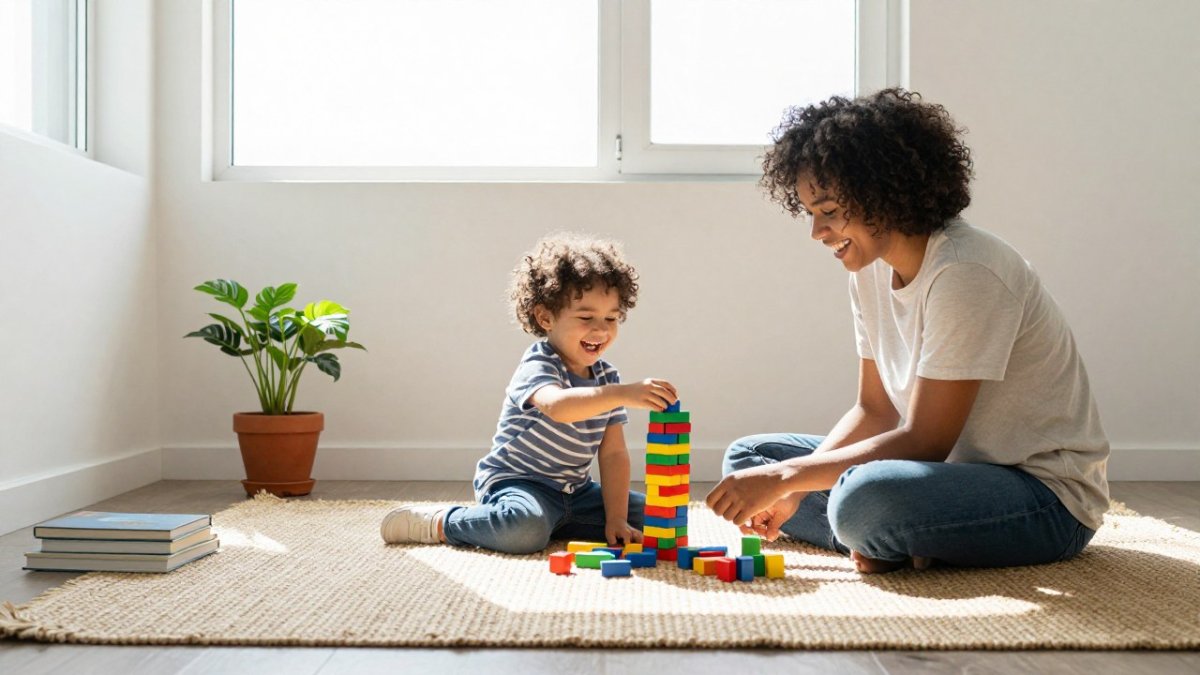
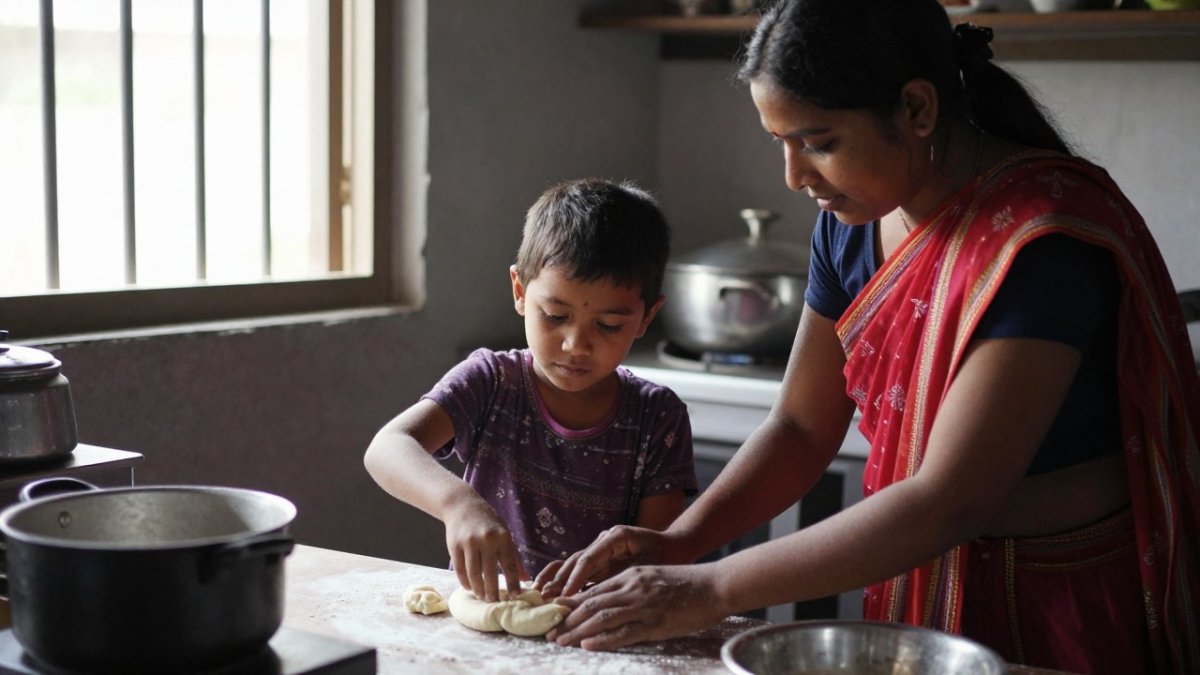
Activities work best when they feel like play. A young child and a parent can stir a pot or roll dough together in the kitchen while the parent explains each step. This builds food safety habits and patience at the same time.
Other simple activities include:
- Shopping game: Give a child a small list and a fixed amount of NPR to spend at a local shop, then check the change together.
- Map walk: Walk a familiar route and ask the child to point out landmarks and street signs.
- Problem challenge: Present a small problem, such as a missing shoe, and let the child suggest three solutions.
- Phone practice: Have the child make a short call to a relative to share news.
How to Teach Kids Responsibility at Home, Step by Step
Most guides stop at "show the child, then let them try." The part that decides whether a skill sticks is what happens in the weeks after that first attempt, when the child forgets, refuses, or gets frustrated.
Step 1, Pick one task and define "done"
Choose something specific and observable, such as "water the plants every morning before school" rather than "help around the house." Write down what finished looks like: soil damp, watering can put back, no water on the floor.
Step 2, Explain why it matters to the family
Link the task to a person, not a principle.
Step 3, Model it slowly, narrating each action
Do the task once while saying each step aloud: fill the can, check the soil with a finger, water until it drains, put the can back. Keep it to five steps or fewer.
Step 4, Do it together, then step back
Practise side by side two or three times. Then move to watching only, with hands behind your back. Resist the urge to correct small imperfections, a slightly crooked bed is a finished bed.
Step 5, Hand over, with a check-in
Let the child do it alone and report back. Ask "How did it go?" before you inspect. If something was missed, ask "What is the next step?" and let the child find it rather than pointing it out.
Step 6, Set a routine and a visible reminder
Agree on a time and a cue, a chart on the wall, a note by the door, or a fixed slot after breakfast.
When the child refuses
Refusal is usually about control, timing, or overwhelm rather than laziness.
When the child forgets
Forgetting is normal in the first month and is a routine problem, not a character problem.
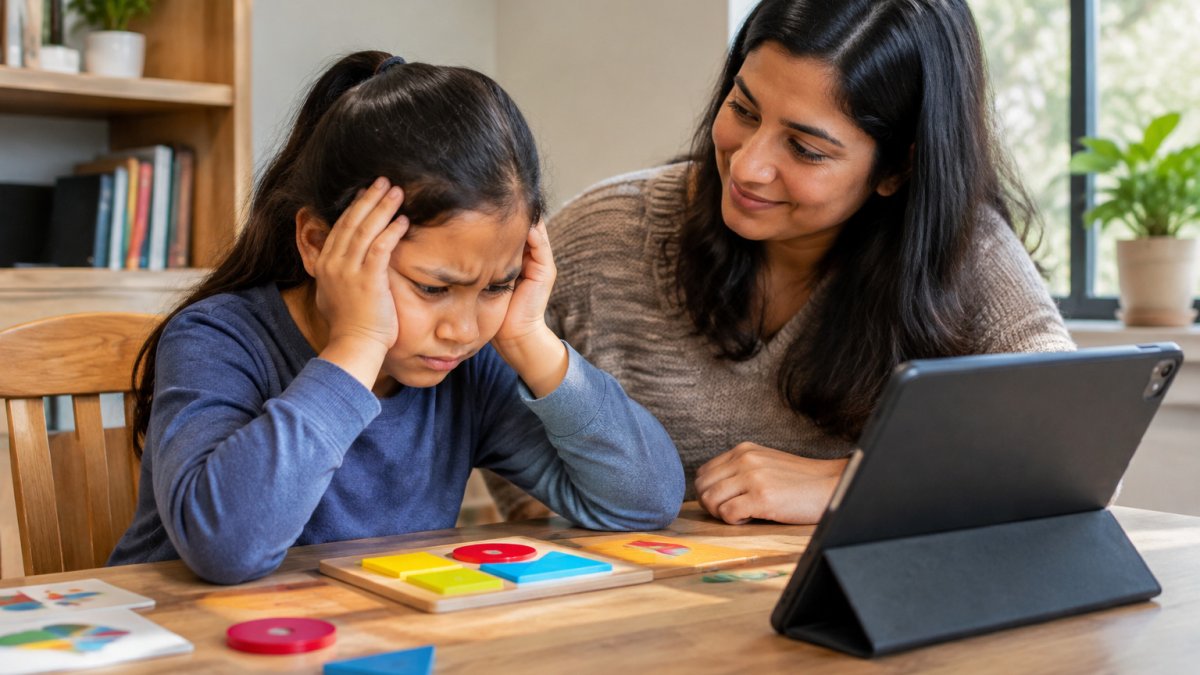
When the child gets frustrated
Stop the practice before frustration turns into a scene. Say what you see ("This part is fiddly"), break the task into a smaller piece, and finish on a step the child can do well.
Watch out: Praising the result too heavily can backfire when the child then avoids tasks they might not do perfectly.
A worked example: teaching a child to make tea
Week one, model it twice and do it together once. Week two, the child makes it with you watching and you only answer questions. Week three, the child makes it alone and reports back; you check the stove is off.
Teaching Sequence: Modelling, Guided Practice, Then Independence
Most skills follow three stages:
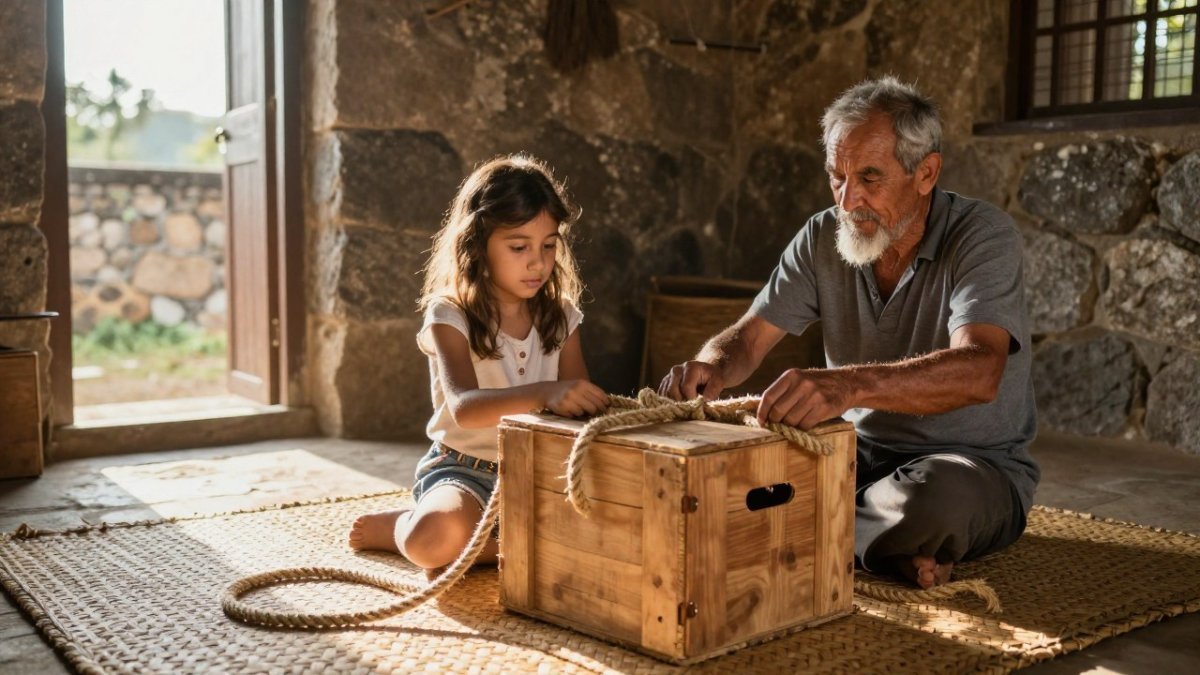
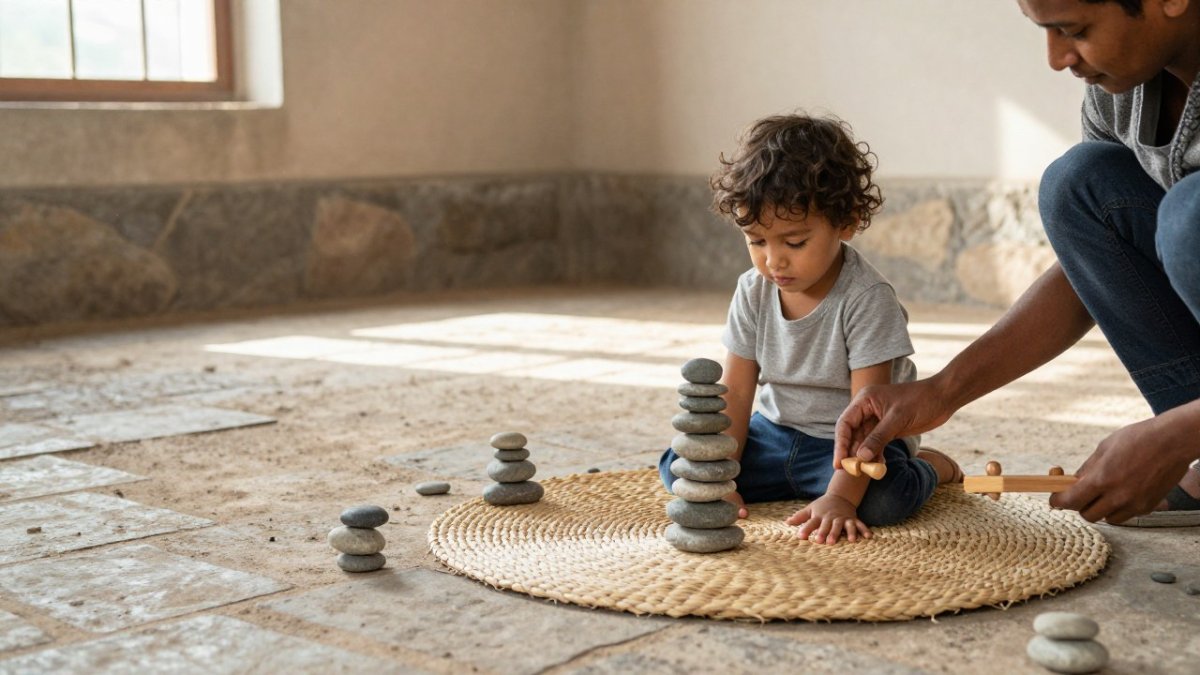
- Modelling: The parent performs the task slowly while explaining each step.
- Guided practice: The child does the task while the parent gives hints and corrections.
- Independence: The child completes the task alone, and the parent checks the result afterward.
Move to the next stage only when the child is ready. Going back a stage is normal and does not mean failure.
Adapting Life Skills Practice for Children with Disabilities
Every child can build life skills, but the method may need changes. For children with hearing, sight, mobility, or learning differences, consider:
- Using pictures or step cards instead of long spoken instructions.
- Breaking one task into smaller parts with a clear finish point.
- Using a timer or visual schedule for children who need routine.
- Letting the child use the tools that suit their body, such as a grip aid or a raised cutting board.
- Praising effort and progress, not speed.
Family members, grandparents, and local facilitators can share ideas for what works. Families preparing for emergencies can also read the Nepal family disaster preparedness training guide. The Heroic Learning platform encourages this shared approach, with the child at the centre of the team.
Life Skills Checklist for Kids and a Practice Plan for Busy Households
Use this checklist to track progress:
- Washes hands and face without help
- Sets and clears the table
- Makes a simple snack safely
- Keeps a weekly chore list
- Counts change from a small purchase
- Knows the family's address and emergency numbers
- Asks a grown-up for help when needed
A practice plan for busy homes:
- Daily (10 minutes): One chore and one conversation about the day.
- Weekly (30 minutes): One family activity, such as cooking or a map walk.
- Monthly (20 minutes): Review the checklist together and pick the next skill.
Short, steady practice beats occasional long sessions. To start, join the Heroic Learning platform from Heroic Nepal, where families and children practise these skills together through games. Get started with the platform, including the QR code and sign-up link.
Frequently Asked Questions
What life skills should children learn at home?
Children benefit most from a core set of everyday skills: personal hygiene, simple cooking and food safety, household chores, basic money concepts such as saving and counting change, problem-solving, communication and manners, and safety awareness at home and in the neighbourhood. Families and their children can work through these areas together through game-based learning. Start with two or three skills that match the child's age and build from there, rather than teaching everything at once.
At what age should children start learning life skills?
Children can start learning life skills as soon as they can copy a simple action. Toddlers can put toys away and wash their hands, while early school-age children can set the table and pack their own bag. Older children can handle cooking, budgeting pocket money and planning their own routines. The key is matching each task to what the child can do safely now and adding one step at a time, which is how the family-led activities on Heroic Learning are structured.
How can I teach my child life skills through everyday activities?
Use the routines your household already has. Cooking dinner can teach measuring, sequencing and food safety. Shopping can teach comparing prices in NPR and counting change. Morning routines can teach time management and responsibility. Explain what you are doing, let the child do the task while you guide, then step back. Short, repeated practice during normal days can help build these habits.
How do you teach children to be more independent?
Independence grows when children are given real responsibility with a clear expectation and enough time to succeed. Demonstrate the task, practise it together, then hand it over while staying nearby. Avoid rescuing them at the first mistake, because learning from small errors is part of the process. Gradually reduce your help over several weeks.